
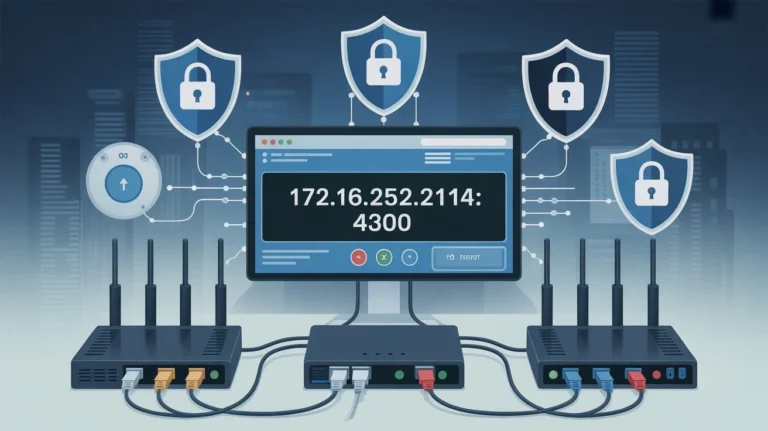
172.16.252.214:4300 Meaning, Uses, Risks & Safe Access Guide
The address 172.16.252.214:4300 may look technical, but it appears often in logs, router settings, internal applications, or diagnostic reports. Many users worry when they see a combination like this and wonder whether it is safe, whether it indicates hacking, or what service may be running behind it. In reality, this notation simply combines an internal IP address with a port number, forming a complete reference to a device and a specific service inside a private network.
Understanding what this address means, how private IPs work, and why port 4300 may be used can help prevent confusion and improve network management. This article focuses on clear explanations, responsible guidance, and high-quality best practices based on recognized networking principles. You’ll learn how to interpret this IP:port, how to check whether the device belongs to your network, and the safest steps to follow when you encounter it, whether you are a home user or an IT administrator.
What 172.16.252.214:4300 Really Means
The notation consists of two parts:
1. The IP Address: 172.16.252.214
- This is part of the 172.16.0.0 – 172.31.255.255 private IP range, reserved for internal networks.
- Private IPs are not accessible directly from the public internet.
- Devices inside home, office, or enterprise networks commonly use these addresses for communication.
- A device with this address could be a computer, printer, camera, server, IoT device, router subsystem, or a virtual machine.
2. The Port Number: 4300
- A port is like a “doorway” through which a specific application or service communicates.
- Port 4300 is not a mainstream port but is registered historically for a service name; however, administrators can assign it to any custom app or internal tool.
- Many commercial and enterprise tools use nonstandard ports to separate services or reduce conflicts.
Combined Meaning
Together, 172.16.252.214:4300 refers to a specific device and a specific service running on that device, reachable only inside the private network unless special forwarding or tunneling is configured.
Why You Might See This Address
People encounter such notations in several real-world situations:
✔ Internal Application URL
Some business systems or dashboards run on internal ports like 4300. An employee opening a company tool might see this address in settings or logs.
✔ Device Management UI
Routers, network storage, surveillance cameras, or IoT devices sometimes expose administrative interfaces on non-standard ports to reduce conflict or scanning noise.
✔ Network Logs or Security Alerts
Firewall, antivirus, IDS/IPS, or router logs may show connections to port 4300. This doesn’t automatically signal a threat — but unknown devices should be investigated.
✔ Software Configuration Files
Developers and system integrators may configure microservices or test environments to run on custom ports inside private networks.
✔ VPN or Remote Work Systems
A remote-access environment might map internal services like this, appearing in logs during remote sessions.
Is It Safe? Understanding the Security Aspect
Seeing an IP:port is not dangerous by itself. The real safety question depends on:
1. What device owns the IP?
If the device is recognized — a laptop, printer, camera, or server you know — the traffic is likely intentional.
2. What service runs on port 4300?
Custom or undocumented services should be checked to ensure they are properly secured.
3. Is the port exposed publicly?
Private IPs cannot be accessed from the internet unless:
- A router has port-forwarding enabled
- A proxy/VPN directly publishes the service
- A misconfigured firewall exposes it accidentally
When misconfigured, exposure may create vulnerabilities.
4. Are there signs of unusual traffic?
Repeated, unexplained attempts to communicate with 4300 inside your network may require deeper investigation.
How to Identify Which Device Uses 172.16.252.214 (Safe Methods Only)
Always proceed only if you are authorized to manage the network.
1. Check Your Router or Firewall Device List
Look in:
- DHCP clients
- ARP tables
- Attached devices
- Ethernet/Wi-Fi client lists
These show the device name, MAC address, and sometimes manufacturer.
2. Check Access Logs
System or security logs can reveal:
- When the device connected
- Which service used port 4300
- Whether login attempts occurred
3. Ask Your IT Team or Network Owner
This is often the best approach in office or enterprise settings.
4. Review Application Settings
If the IP appears in a program log, the app documentation often reveals what service uses the port.
5. Never Attempt Unauthorized Access
Avoid scanning, probing, guessing passwords, or trying to open the port unless you fully own or administer the network.
Common Legitimate Uses of Port 4300
Although port assignments evolve, common internal uses include:
- Custom web dashboards
- Device management panels
- API endpoints inside a microservice environment
- Automation tools or monitoring agents
- Legacy enterprise software
- Testing environments for development teams
Administrators often choose ports like 4300 because they are unused and reduce conflict.
Potential Risks (If Misconfigured)
Port 4300 itself is not inherently dangerous, but any open port can pose risks if the service behind it is:
1. Unsecured or Outdated
Old firmware, default credentials, or obsolete software can be exploited.
2. Accidentally Exposed to the Internet
Misconfigured routers sometimes forward ports unintentionally.
3. Running Unknown or Unauthorized Services
If neither you nor your IT team recognizes the device or the service, treat it as suspicious.
4. Generating High or Repetitive Traffic
Unexpected repeated connections to port 4300 may signal malware or automated processes.
Best Practices for Network Owners (Home & Business)
1. Document All Internal Services
Every internal IP should have a purpose and be registered in an asset inventory.
2. Use Strong Passwords and Regular Firmware Updates
Whether for cameras, routers, or internal software, updated firmware reduces risk dramatically.
3. Restrict Access by Network Segment
Only users who need access should be able to reach port 4300.
4. Avoid Exposing Internal Ports Publicly
Use VPNs or secure remote gateways instead.
5. Enable Continuous Monitoring
Intrusion detection or lightweight monitoring tools can alert you to unusual port activity.
6. Use VLANs or Subnet Segmentation
Separating critical devices prevents lateral movement if a single device becomes compromised.
What to Do if You See This IP:Port Unexpectedly
Step 1: Check whether the device is recognized
Identify if it belongs to your home or office network.
Step 2: Verify whether any app or tool uses it
Logs or configuration files often explain entries like this.
Step 3: If unknown, isolate and observe
Move the device to a more restricted network segment or disable it temporarily.
Step 4: Seek professional support
IT teams or security professionals can safely review logs and configurations.
Step 5: Avoid risky actions
Never:
- Try default passwords
- Run unauthorized scans
- Expose the port to the internet
- Attempt to force access
Your goal should be identification, documentation, and secure handling, not probing or exploration.
FAQs
1. What is 172.16.252.214:4300 used for?
It refers to a device inside a private network and a specific service running on port 4300. It may represent a dashboard, internal app, camera, or custom service — depending on how the network is set up.
2. Can I access 172.16.252.214:4300 from the internet?
No. Private IP addresses are not reachable from the public internet unless port forwarding, tunneling, or a VPN makes them accessible. Normally this address is internal only.
3. Is port 4300 dangerous?
Not inherently. The risk depends entirely on the service running behind it. Unknown or outdated services should be reviewed, secured, or disabled as necessary.
4. How do I find out which device uses 172.16.252.214?
Check your router’s connected devices list, DHCP table, or logs. You can also consult your IT team. These safe methods identify the device without probing or unauthorized access.
5. What should I do if traffic to port 4300 seems suspicious?
Isolate the device, check logs, update firmware, and consult professionals. Avoid direct probing or risky attempts to access the service.
Read More: What Is Fidzholikohixy? Meaning, Uses & Why It’s Trending
Conclusion
The address 172.16.252.214:4300 is simply a private network IP combined with a port number that identifies a specific service running on a device inside a local network. It is not inherently dangerous, but it must be interpreted with proper context. The key to safe handling is understanding ownership, verifying the purpose of the service, and ensuring no accidental exposure to the public internet.
Whether the service behind port 4300 is a legitimate internal tool, device interface, or something unexpected, responsible investigation and good security practices are essential. Documenting network devices, controlling access, keeping software updated, and monitoring unusual activity all help maintain a healthy, secure environment. When in doubt — especially in workplaces — consult your IT administrator instead of attempting unauthorized access. Following the principles explained in this article ensures that you handle internal IP addresses like this one safely, confidently, and professionally.