

The Future of Garden Security: Tech‑Powered Deer Fences in Westchester
Garden enthusiasts in Westchester know the frustration of waking up to find their carefully cultivated plants ravaged by deer. As these animals become more accustomed to urban and suburban environments, the challenge of protecting gardens intensifies. For locals seeking effective solutions, installing a Deer Fence Westchester offers a strategic way to mitigate damage and preserve the beauty of their landscapes. This article will explore how such fencing protects your garden, the key features of effective deer fencing, the common types available for residential use, and the long-term effects on garden health and aesthetics.
How Installing Deer Fence in Westchester Protects Your Garden
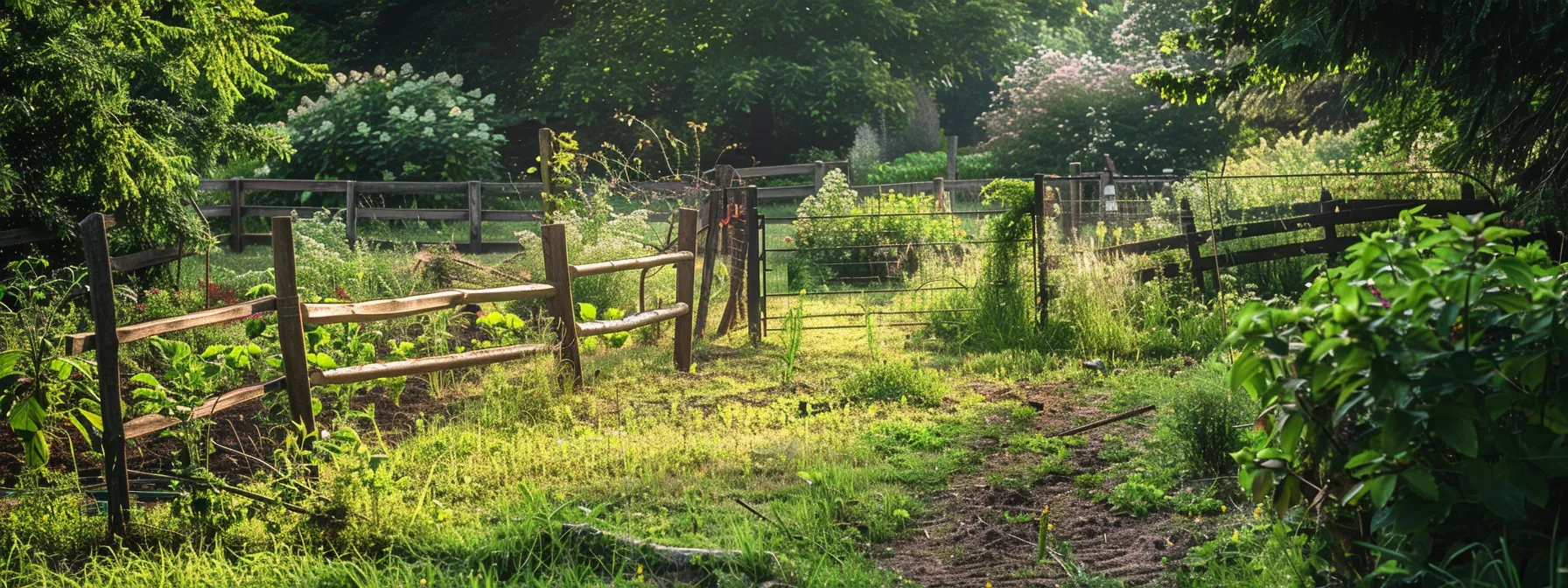
Deer are notorious for their ability to leap over obstacles, making traditional fences ineffective. A specialized deer fence, however, can effectively deter these animals. By incorporating a design that considers both height and material, these fences create a physical barrier that deer find difficult to breach. Additionally, the use of materials like polypropylene or high-tensile wire ensures durability against harsh weather conditions, a significant factor for gardens in Westchester.
Gardens that incorporate Deer Fence Westchester often see a marked reduction in plant damage, which is crucial for maintaining the integrity of permaculture design practices that focus on sustainable and self-sufficient ecosystems. This reduction allows gardeners to focus on other essential activities, such as soil amendment analysis, without the constant worry of deer interference.
Furthermore, by preventing deer access, these fences help protect the investment made in landscape maintenance plans, ensuring that features like hardscape installations and seasonal planting calendars are not compromised. This not only saves time and resources but also enhances the visual appeal and biodiversity of gardens.
Key Features of Effective Deer Fencing Solutions
Effective deer fencing solutions are characterized by a combination of height, material, and design. A fence should ideally be 7 to 8 feet tall to prevent deer from jumping over, a height recommended by many landscape architects. Additionally, the choice of material plays a critical role in the fence’s durability and effectiveness. Materials such as metal or high-strength plastic are popular due to their resilience and low maintenance requirements.
Another feature to consider is the fence’s integration with the existing landscape. A well-designed fence will complement the garden’s aesthetics rather than detract from it. This can be achieved by using materials and colors that blend with the natural environment, enhancing the overall beauty of the garden.
Moreover, some fences incorporate features that support other gardening practices, such as integrated pest management (IPM) systems, which help control not just deer but other garden pests as well. This holistic approach to garden protection ensures a comprehensive shield against various threats.
Common Types of Deer Fences for Residential Use
Several types of deer fences are commonly used in residential settings. One popular option is the polypropylene mesh fence, known for its cost-effectiveness and ease of installation. This type of fence provides a high level of visibility and blends naturally into the garden, making it a favorite among homeowners focused on aesthetics.
Another option is the metal deer fence, often made from galvanized steel or aluminum. These fences are highly durable and provide an added layer of security, making them suitable for areas with high deer activity. While they might require a higher initial investment, their longevity justifies the cost over time, especially in terms of reduced landscape damage.
For those looking for a more natural aesthetic, wooden deer fences are a viable choice. These fences can be designed to complement the natural surroundings, making them ideal for gardens with extensive hardscape installations. However, they might require more maintenance to prevent decay and ensure long-term effectiveness.
Long-Term Effects of Deer Fencing on Garden Health and Aesthetics
Over time, the benefits of installing a deer fence extend beyond immediate protection. With reduced deer activity, plants have a better chance of thriving, leading to healthier growth and more robust yields. This is particularly beneficial for implementing mulching techniques, as it allows for the retention of soil moisture and nutrients without disruption.
The aesthetic impact of deer fencing should not be underestimated. A well-maintained fence can enhance the visual appeal of a garden, creating a sense of order and structure. This is especially important for gardens featuring xeriscaping, where the focus is on reducing water use while maintaining beauty.
Additionally, by maintaining a stable environment, a deer fence supports ongoing landscape maintenance plans. This ensures that efforts in plant propagation and irrigation scheduling are not wasted, allowing for a thriving garden ecosystem year-round.
Conclusion

Installing a Deer Fence Westchester offers a robust solution to the persistent problem of garden damage caused by deer. By understanding the key features and benefits of these fences, gardeners can make informed decisions that protect their investments and enhance the beauty of their landscapes. For residents in Westchester, a deer fence is not just a barrier but a vital component of a successful garden management strategy.