How to Rank Higher on Google Maps 3 Pack: The Local SEO Guide (2027)
Learning how to rank higher on Google Maps 3 Pack is the fastest way for a local business to get more calls, visits, and customers. The 3-pack is the block of three business listings Google shows at the top of local searches, complete with a map.
Winning a spot there puts your business in front of nearby customers at the exact moment they need you. In this guide, you will learn what the 3-pack is, how Google decides who ranks in it, and a 12-step playbook to climb into those top three spots. Every step is beginner-friendly and based on how local search actually works in 2027.
What Is the Google Maps 3-Pack?
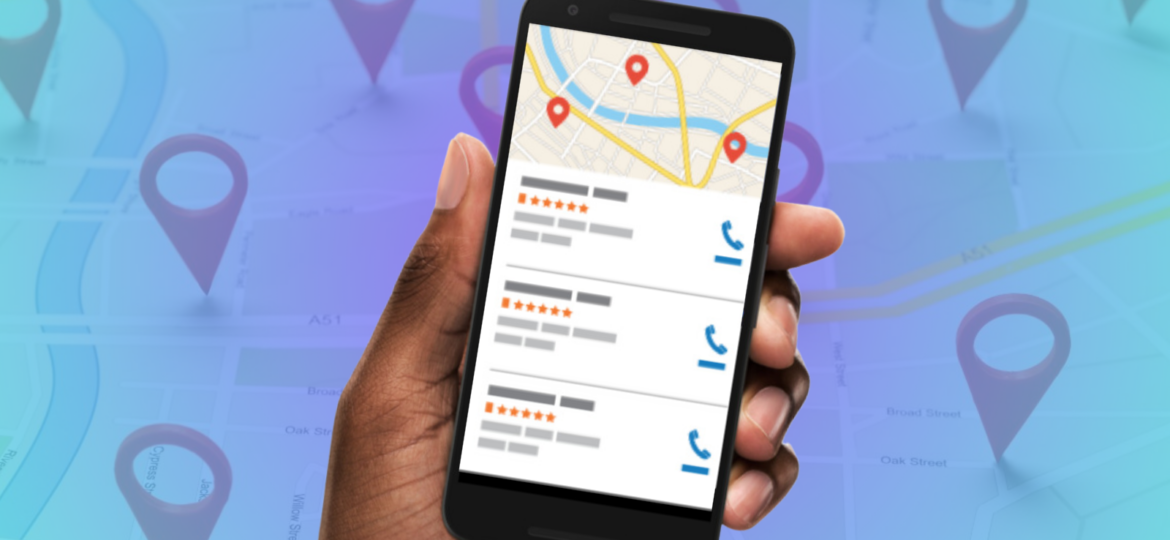
The Google Maps 3-pack is the set of three business listings that appears at the top of Google’s results for local searches. When someone searches “plumber near me” or “best pizza in Austin,” Google shows a map with three highlighted businesses above the regular website results.
Explained in Plain English
Think of the 3-pack as Google’s shortlist. Out of dozens of nearby businesses, Google picks the three it considers most relevant and trustworthy for that search. Each listing shows the business name, rating, review count, address, hours, and quick links to call or get directions.
Most searchers never scroll past these three. If your business is not in the 3-pack, you are invisible to a large share of local customers.
The 3-Pack vs Regular Organic Results
Regular organic results rank websites. The 3-pack ranks business profiles. A business can appear in the 3-pack even if its website is not the top organic result, and vice versa. Local SEO for Google Maps targets the 3-pack specifically, while traditional SEO targets the blue links below it. Smart local businesses work on both.
How Google Decides Who Ranks in the 3-Pack
Google has publicly named the three main Google Maps ranking factors behind local rankings: relevance, distance, and prominence. Understanding these three is the foundation of everything in this guide.
Relevance: How Well You Match the Search
Relevance measures how closely your business matches what the searcher wants. Google reads your business name, categories, services, description, and reviews to judge this. A bakery that lists “wedding cakes” as a service is more relevant for “wedding cake bakery” than one that does not mention it.
Distance: How Close You Are to the Searcher
Google favors businesses near the person searching. You cannot change your location, but you can make sure your address is accurate and your service area is set correctly. For a service-area business like a plumber, a well-defined service area matters more than a storefront address.
Prominence: How Well-Known Your Business Is
Prominence reflects your business’s reputation online and offline. Google looks at review count and rating, backlinks to your website, citations across directories, and even offline fame. This is the factor you can influence most, and most of this guide focuses on building it.
Why Ranking in the 3-Pack Matters So Much
The 3-pack dominates local search behavior. Here is why earning a spot is worth serious effort.
Most Local Clicks Go to the Top Three
Searchers trust Google’s shortlist. The three listings get the overwhelming majority of clicks, calls, and direction requests for local queries. Dropping from position three to position four can cut your local leads dramatically.
Mobile Searchers Act Immediately
Most near me searches happen on phones, often from people ready to buy. A hungry searcher picks one of the three restaurants, taps directions, and goes. The 3-pack captures customers at the moment of decision.
It Builds Trust Before the First Click
Star ratings, review counts, and photos appear right in the listing. A 4.8-star business with 200 reviews and great photos wins trust before the searcher ever visits your website. Your 3-pack listing is often your first impression.
How to Rank Higher on Google Maps 3 Pack: The 12-Step Playbook
This playbook covers every lever that moves Google Maps 3-pack ranking. Work through the steps in order. Steps 1 through 5 are the foundation. Steps 6 through 12 build on it.
Before You Start: How to Rank Higher on Google Maps 3 Pack the Right Way
Set realistic expectations first. New profiles typically take two to three months of steady work to crack competitive 3-packs. Track your starting position by searching your main keywords in an incognito window and noting where you appear. Re-check monthly. Progress in local SEO is gradual, then suddenly visible.
Steps 1-3: Build a Complete Business Profile
- Claim and verify your Google Business Profile. If you have not claimed your listing, do it now at google.com/business. Verification usually happens by video, postcard, or email depending on your business type. An unverified profile cannot rank well. This is step one of any serious Google Business Profile optimization plan.
- Fill in every single field. Business name, address, phone, website, hours, services, products, attributes, and business description. Complete profiles rank better and convert more searchers. Leave nothing blank that applies to you.
- Choose the right primary category. Your primary category is one of the strongest relevance signals. Pick the category that best describes your core business, not an aspirational one. Add secondary categories for your other services, but keep them accurate.
Steps 4-6: Add Visual Proof
- Upload high-quality photos regularly. Businesses with photos get more engagement. Add exterior shots, interior shots, team photos, and photos of your work. Aim for at least a dozen to start, then add new ones monthly. Real photos beat stock images every time.
- Add a profile photo and logo. Your logo appears across Google surfaces. A clear, professional logo builds instant recognition. Your cover photo should show your business at its best.
- Post updates weekly. Google Business Profile posts let you share offers, events, news, and new products. Active profiles signal an engaged business. A short weekly post takes five minutes and keeps your listing fresh.
Steps 7-9: Win the Review Game
- Ask every happy customer for a review. Reviews are a core prominence signal. Build a simple routine: after each completed job or purchase, send a polite follow-up with a direct link to your review page. Make it easy and most happy customers will oblige.
- Respond to every review. Thank positive reviewers by name and mention something specific. Address negative reviews calmly, professionally, and without arguing. Your responses are public, and future customers read them as carefully as the reviews themselves. Consistent Google Business Profile reviews and replies show Google your business is active and trusted.
- Never buy or fake reviews. Fake reviews violate Google’s policies and can get your profile suspended. Sudden bursts of five-star reviews from far away look suspicious. Earn reviews steadily from real customers.
Steps 10-12: Strengthen Your Web Presence
- Keep your NAP consistent everywhere. NAP stands for name, address, and phone number. It must match exactly across your website, Google profile, and every directory listing. NAP consistency matters because inconsistencies confuse Google and weaken your prominence signals.
- Build local citations. A citation is any online mention of your business name, address, and phone. Get listed in relevant directories: Yelp, industry associations, local chambers of commerce, and data providers. Quality local citations and consistency matter more than sheer numbers.
- Earn local backlinks. Links from local newspapers, community sites, sponsors, and partners boost your prominence. Sponsor a youth team, join the chamber, or get featured in a local blog. Local backlinks tell Google your business matters to the community. Together, citations and backlinks are two of the most reliable ways to improve Google Maps ranking over time.
Common Mistakes That Keep You Out of the 3-Pack
Keyword stuffing your business name. Adding extra keywords to your business name, like “Joe’s Plumbing | Best Plumber Austin TX,” violates Google’s guidelines and can get your profile suspended. Use your real business name only.
Choosing the wrong category. A restaurant listed as a “grocery store” will never rank for restaurant searches. Review your primary category carefully and change it if it does not match your core business.
Ignoring reviews. Profiles with few reviews or unanswered negative reviews lose to competitors who actively manage theirs. Reviews are not optional in local SEO.
Inconsistent NAP across the web. If your address reads “123 Main St” on Google but “123 Main Street, Suite 4” on Yelp, Google sees conflicting data. Audit your listings and standardize everything.
Setting up multiple profiles for one location. Duplicate profiles split your reviews and confuse Google. Claim duplicates and request removal through Google’s support.
Neglecting the profile after setup. A profile created once and never updated looks abandoned. Fresh photos, posts, and review responses signal an active business.
Using a virtual office or PO box. Google requires a real address where customers can find you during stated hours, or a properly configured service-area business. Fake addresses lead to suspension.
Expert Tips for Local Map Rankings
Answer questions in the Q&A section. Google lets anyone ask questions on your profile. Seed it with common questions and your own answers before strangers do it for you.
Add services with descriptions. The services section lets you list what you offer in detail. Each service with a clear description strengthens relevance for related searches.
Use the booking and messaging features. Enabling direct messaging and online booking removes friction. Engaged profiles with active customer interactions tend to perform better.
Geotag your photos naturally. Photos taken at your location carry location data. Real on-site photos reinforce your genuine local presence better than staged uploads.
Monitor competitor profiles. Check what the top three businesses in your 3-pack do: their categories, review counts, photo volume, and posting frequency. Match their effort, then exceed it.
Build location pages on your website. If you serve multiple areas, create a dedicated page for each with unique, useful content. Link these pages from your Google profile’s website field where appropriate.
Track rankings by location. Your 3-pack position changes depending on where the searcher stands. Check from a few spots around your service area, not just from your shop.
Real-World Examples
Example 1: A Dental Clinic
A dental clinic sat at position six for “dentist near me” with 12 reviews and three photos. The owner committed to the playbook: completed every profile field, uploaded 30 real photos, posted weekly offers, and asked every patient for a review. Six months later, the clinic had 140 reviews at 4.9 stars and held the number two spot in the 3-pack. New patient calls doubled.
Example 2: A Pizza Restaurant
A family pizza shop had great food but an unclaimed profile with wrong hours. After claiming it, fixing the hours, adding the correct categories, and uploading appetizing photos, the shop entered the 3-pack for “pizza near me” within two months. Weekend delivery orders rose sharply, driven almost entirely by map clicks.
Example 3: A Plumbing Company
A plumber serving three suburbs created service-area settings correctly, built citations in 20 relevant directories with perfectly consistent NAP, and earned links from two local news sites after sponsoring a charity event. Combined with 90 genuine reviews, the company now ranks in the 3-pack across all three suburbs for its main keywords. It is a clear example of how to rank in Google Maps 3-pack results across more than one area, not just next door to the shop.
Google Maps Rankings in 2027: What Changed
Local search keeps evolving. In 2027, a few trends stand out for businesses chasing the 3-pack.
Review authenticity matters more than ever. Google has grown better at detecting fake reviews and now removes them more aggressively. Businesses with steady, genuine review growth have an advantage over those with suspicious spikes.
AI-assisted search is reshaping local discovery. Google’s AI features increasingly answer “best X near me” queries with conversational summaries that draw on 3-pack data. A strong profile now feeds both classic map results and AI-generated local recommendations.
Photos and visual content carry more weight. Profiles with rich, recent photos consistently outperform bare listings. Short videos, where supported, add another layer of engagement that text alone cannot match.
The fundamentals have not changed. Relevance, distance, and prominence still decide the 3-pack. What changed is the competition: more businesses now do local SEO properly, so the basics alone no longer suffice. You need the full playbook.
Important Things to Consider
Your 3-pack position varies by searcher location. Ranking number one for someone standing outside your door does not mean you rank first across town. Test from multiple locations and set expectations accordingly.
Do not expect overnight results. Local SEO compounds over months. Reviews accumulate, citations get indexed, and Google’s trust grows gradually. Businesses that quit after three weeks never see the payoff that arrives in month four.
Keep everything honest. Fake reviews, fake addresses, and keyword-stuffed names might produce a quick bump, but Google suspends profiles for these violations. A suspended profile disappears from the map entirely, which is far worse than ranking fourth.
Finally, remember the 3-pack is only part of local marketing. Pair your map presence with a good website, active social profiles, and real-world reputation. The businesses that dominate local search are usually the businesses customers already love.
Search Engine Insight offers valuable guidance on SERP features, website discoverability, and effective ways to connect quality content with relevant search queries.
Frequently Asked Questions
What is the Google Maps 3-pack?
The 3-pack is the block of three business listings Google shows at the top of local search results, along with a map. It appears for queries like “plumber near me” or “coffee shop downtown.” These three businesses get the majority of local clicks and calls.
How long does it take to rank in the Google Maps 3-pack?
For most businesses, expect two to six months of steady work. New profiles in competitive markets take longer. Low-competition niches and towns can see movement within weeks. Consistency with reviews, photos, and profile completeness speeds things up.
Do Google reviews affect my Maps ranking?
Yes. Review count, average rating, and review velocity are core prominence signals. Businesses with more high-quality recent reviews generally outrank similar businesses with few or no reviews. Responding to reviews also helps.
Should I put keywords in my Google Business Profile name?
No. Use your real-world business name exactly as it appears on your signage and legal documents. Adding extra keywords violates Google’s guidelines and can lead to profile suspension.
How many photos should my Google Business Profile have?
Start with at least a dozen high-quality photos covering your exterior, interior, team, and work. Then add new photos monthly. Profiles with abundant real photos consistently outperform sparse ones in both rankings and customer engagement.
What are local citations and do I still need them?
A citation is an online mention of your business name, address, and phone number. They still matter as prominence signals, especially from relevant and local sources. Focus on accuracy and consistency rather than submitting to hundreds of low-quality directories.
Can a service-area business rank in the 3-pack?
Yes. Plumbers, cleaners, and other businesses that serve customers at their locations can rank well. Set your service area correctly in your profile, hide your address if customers do not visit you, and build the same review and citation signals as storefront businesses.
Why did my business drop out of the 3-pack?
Common causes include a competitor surge in reviews, NAP inconsistencies appearing online, a Google algorithm update, profile edits that hurt relevance, or a soft suspension. Audit your profile, reviews, and citations, and check Google’s guidelines for any violations.
Does my website affect my Google Maps ranking?
Yes. Your website contributes to prominence through backlinks and relevance through on-page content. A well-optimized website with local content and local backlinks strengthens your entire local presence, including map rankings.
How do I handle fake negative reviews?
Respond calmly and professionally without admitting fault or arguing. Then flag the review through your Google Business Profile if it violates Google’s policies, such as reviews from non-customers or competitors. Google removes clear policy violations, though the process takes time.
Is it worth paying for local SEO tools?
For a single location, you can do most of this work manually with free tools. Rank tracking and citation management tools become worthwhile when you manage multiple locations or operate in a competitive market. Start free and upgrade when the manual work becomes unmanageable.
Can I rank in the 3-pack without a physical storefront?
Yes, as a service-area business. Google allows businesses that serve customers at their locations to hide their address and define a service area. You still need reviews, citations, and a complete profile. Purely online businesses without a local service area do not qualify.
Conclusion: How to Rank Higher on Google Maps 3 Pack
You now know how to rank higher on Google Maps 3 Pack, step by step. Claim and complete your profile, choose the right category, add great photos, earn genuine reviews, keep your business information consistent everywhere, and build local prominence over time.
Local SEO rewards steady effort more than clever tricks. The businesses in the 3-pack are usually the ones that show up every week: new photos, new reviews, answered questions, fresh posts. Be that business.
Start today with the foundation steps. Check your position monthly from a few locations around your service area. Within a few months of consistent work, those top three spots are absolutely within reach.