
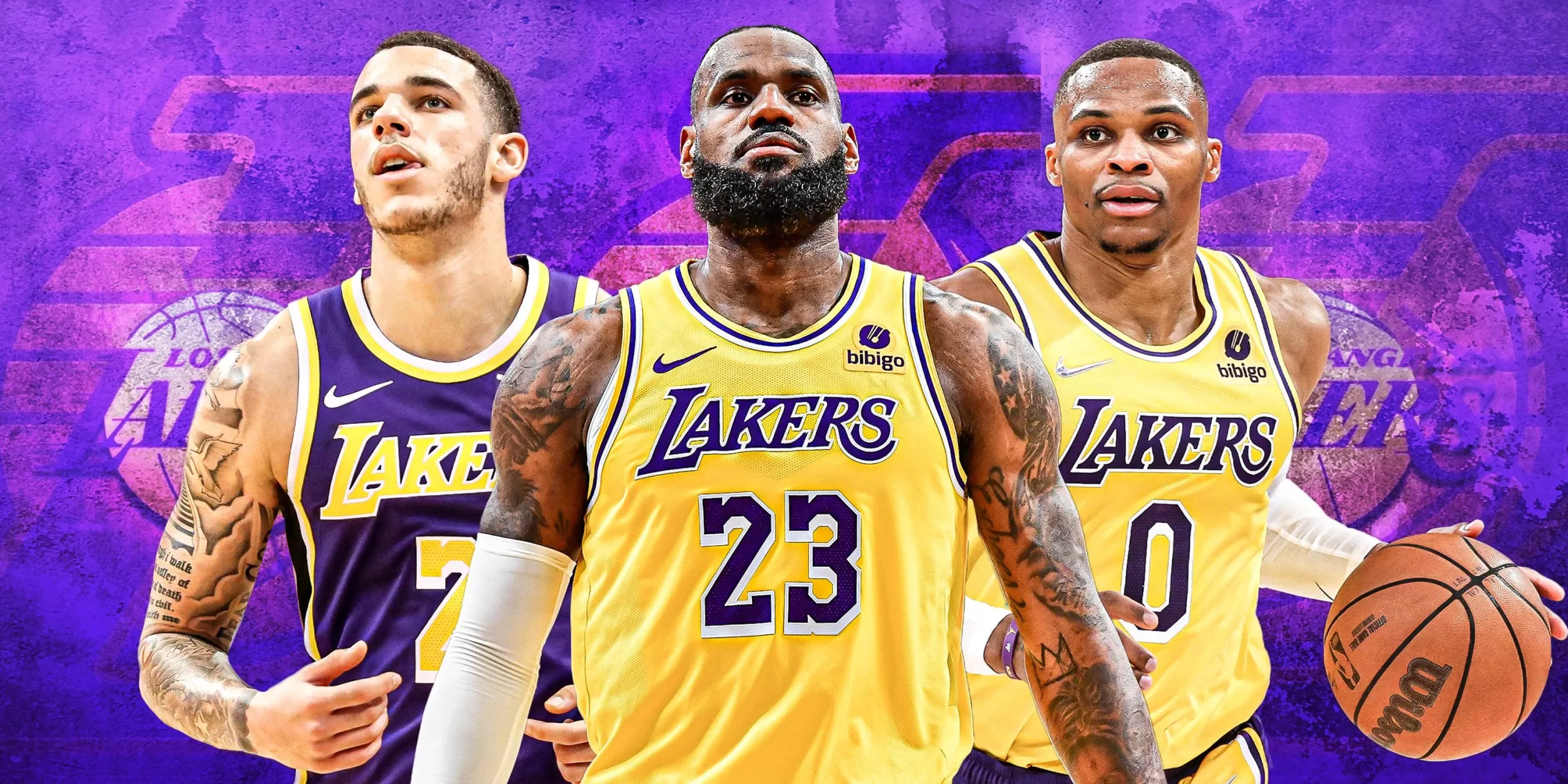
Lakers vs Blazers Player Stats Breakdown
When the Los Angeles Lakers and the Portland Trail Blazers collide on the hardwood, it’s more than just two teams competing — it’s a showcase of individual talent, shifting strategies, and statistical battles that tell a deeper story than the final score. Whether you’re a fan tracking your favorite player’s performance or a fantasy manager scrutinizing numbers, understanding the player stats from these matchups gives greater insight into each team’s identity and tendencies.
Let’s unpack the latest Lakers vs Trail Blazers match player stats from recent battles — from scoring leaders to rebound masters — and compare how these two Western Conference teams stack up statistically.
Recent Head-to-Head Performances (Lakers vs Blazers)
In their 2025–26 regular season meetings, the Lakers and Blazers have traded results, with each game offering different stars rising to the occasion. In one showdown, the Trail Blazers dominated the Lakers 132–116, with Shaedon Sharpe pouring in 25 points, supported by Jerami Grant and Caleb Love nudging deep scoring contributions. Marcus Smart led LAL with 25 points in that contest, but the balance from Portland’s rotation ultimately sealed the win for the Blazers.
In contrast, a Lakers victory earlier in November saw Deandre Ayton drop 29 points, outpacing Deni Avdija’s 33 for Portland in a close defeat.
These head‑to‑head clashes are snapshots of how individual performances fuel the team narrative — the Lakers often ride the output of their stars, while Portland’s contributions are more spread across their rotation.
Key Player Stats Comparison
Understanding the different ways these teams produce on the stat sheet helps explain their recent results and tendencies. Below we break down key averages and notable leaders based on recent seasons:
| Category | Lakers | Blazers |
|---|---|---|
| Points Per Game (Team) | 116.0 | 116.3 |
| Rebounds Per Game | 41.1 | 46.0 |
| Assists Per Game | 25.3 | 24.7 |
| Field Goal % | 49.99% | 45.20% |
| 3‑Point % | 34.99% | 34.19% |
| Top Scorer (Points) | Luka Dončić (32.8) | Deni Avdija (25.2) |
| Top Rebounder | Donovan Clingan (11.5) | Donovan Clingan (11.5) |
| Top Assists Leader | Luka Dončić (8.6) | Deni Avdija (6.6) |
| *Stats from ESPN team comparison 2025–26 season data* |
This table reveals a fascinating narrative: the Lakers and Blazers score at nearly identical paces, but Portland’s rebounding edge suggests they control more possessions, whereas Los Angeles’ higher shooting efficiency reflects sharper scoring when they do get the ball.
Top Individual Performances in Matchups
Delving into specific games gives context to the numbers above:
- LeBron James has delivered standout games against Portland, including a 40‑point performance with 8 boards and 4 assists, showcasing his ability to take over offensively when needed.
- Austin Reaves, in that same game, dropped 32 points and contributed solid playmaking with 7 assists.
- Shaedon Sharpe, during one Blazers win, put up 25 points, sharing scoring responsibility with fellow Blazers contributors.
These dynamic efforts define how matchups can swing — one night a star figure flares up, another night a balanced team attack dictates the tempo.
What These Stats Mean for Team Identity
From all the data and performances, a couple of clear themes emerge:
Lakers: Explosive Scoring with Star Power
The Lakers often lean on their higher‑usage stars to drive offense. When elite players like LeBron James and Luka Dončić are clicking, the team’s efficiency jumps, giving them an edge even when Portland competes physically. I remember watching a Lakers–Blazers game live where a late surge led by their bench completely shifted momentum; that kind of bench production is harder to quantify but equally valuable.
Trail Blazers: Rebound and Balanced Contributions
Portland’s swapping boards for second‑chance opportunities and spreading scoring across its rotation has been key to close victories. In real‑world scenarios like a tight playoff push or critical Western Conference seeding battles, these traits — depth, rebounding strength, and balanced scoring — can be vital.
Player Impact Beyond the Box Score
Stats alone don’t always tell the whole story. Leadership, clutch plays, and defensive communication impact how games unfold. For example, while a player may average double figures, their ability to hit big shots in crunch time or rotate defensively against pick‑and‑rolls can swing momentum in ways raw numbers don’t capture.
This is why contextualizing stats with actual game flow — watching how players respond to pressure, making smart plays off the ball, or how coaches leverage matchups — enriches the overall picture.
Read More: Arcarrierpoint Net Review Features & Safety Guide
Conclusion
The Lakers vs Trail Blazers match player stats narrative is rich with individual brilliance, statistical battles, and tactical dynamics. Whether it’s LeBron’s scoring explosions, Sharpe’s youthful scoring bursts, or the rebounding grit of Portland, each element adds texture to how these Western rivals engage. The numbers show that while both teams can put points on the board, the efficiency and roles of key players often determine who walks away with a win.
As the season progresses, these matchups are sure to evolve — but diving into the stats offers a clear lens into both teams’ strengths, weaknesses, and player contributions on any given night
FAQs
1. Who usually leads in scoring in Lakers vs Blazers games?
In recent matchups, leading scorers have varied — big names like LeBron James and Luka Dončić have taken the scoring mantle for the Lakers, while Blazers’ scoring has been driven by balanced contributions from players like Shaedon Sharpe.
2. Do the Lakers or Blazers have better rebounding stats?
Portland has shown a rebounding edge in the 2025–26 data, helping them control extra possessions and fuel their transition offense.
3. How do shooting percentages compare between the two teams?
The Lakers typically exhibit a higher field goal percentage, indicating efficient scoring, while Portland’s shooting is solid but slightly lower in effective field goal metrics.
4. Are there any recent standout performances?
Yes — individual standout nights like a 40‑point game from LeBron or 25+ point outings from Sharpe highlight how any single performance can tilt these matchups.
5. How do these stats affect team strategies?
Stats influence coaching decisions on rotations, defensive assignments, and matchup exploitation — teams adjust based on trends like opponent rebounding strength or scoring efficiency at the arc.