
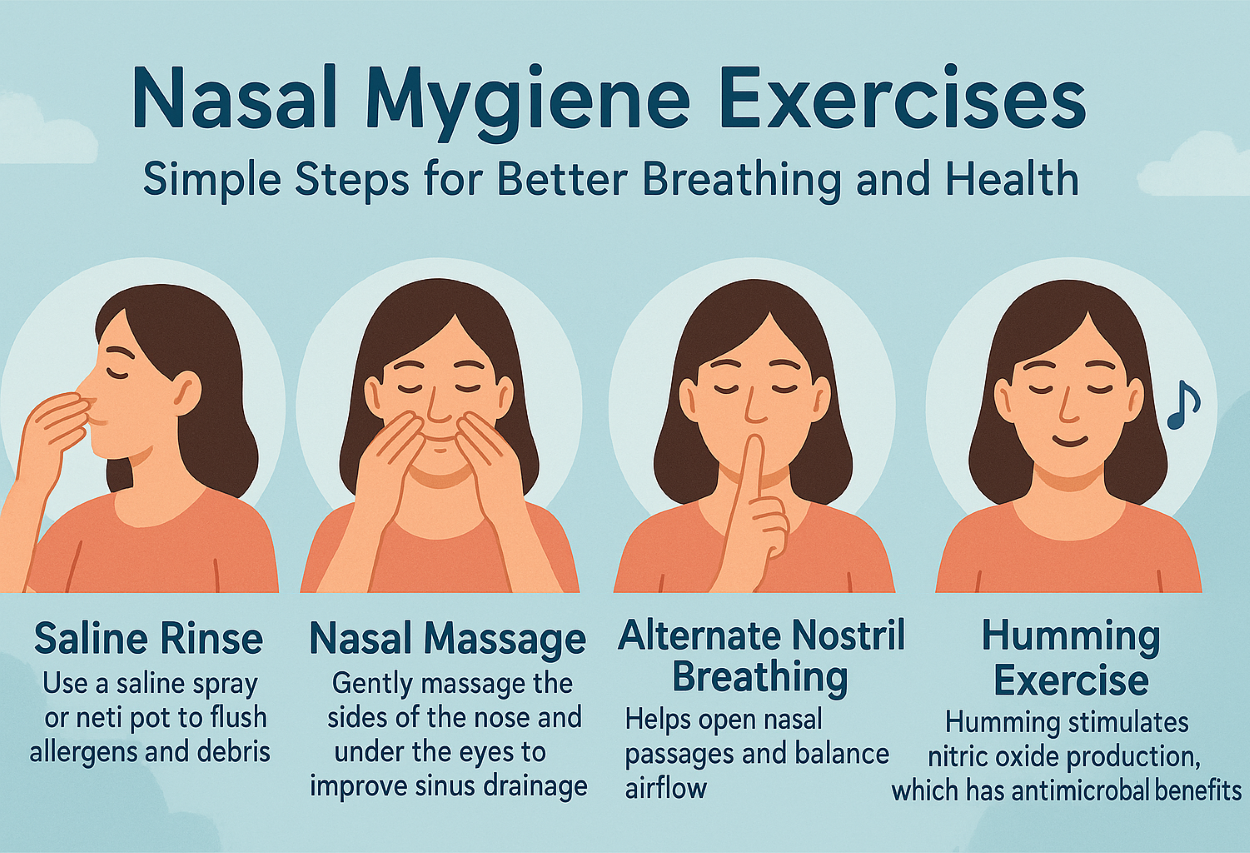
Nasik Fatafat: Simple, Effective Nasal Cleansing for Better Breathing
Nasik Fatafat is a traditional nasal cleansing practice that has gained widespread popularity for its simplicity and effectiveness. The term literally means quick nasal cleansing, and it focuses on clearing the nose and sinus passages using a gentle saline rinse.
In a world where air pollution, allergens, dust, and seasonal illnesses are common, maintaining nasal hygiene is essential for healthy breathing, better sleep, clearer thinking, and improved overall well‑being. This practice is rooted in ancient wellness traditions, including yoga and Ayurveda, but it’s now widely embraced by people seeking natural ways to relieve congestion, sinus pressure, allergy symptoms, and discomfort from colds.
Unlike modern medications that sometimes only mask symptoms, Nasik Fatafat supports your body’s own ability to cleanse and restore respiratory comfort. With the right technique and consistency, this practice can transform daily breathing — making each breath feel easier, fresher, and more open.
What is Nasik Fatafat?
Nasik Fatafat is a method of rinsing the nasal passages using a saline (saltwater) solution. It’s sometimes known by names like nasal irrigation, neti, or jala neti in traditional wellness systems. The principle is straightforward: warm, mild salt water flows through one nostril and exits the other, flushing out hardened mucus, trapped dust, pollen, pollutants, and other irritants from deep within the nasal cavity.
Every day, microscopic particles enter the nose when we breathe. Normally, tiny hairs called cilia and sticky mucus trap and remove them. But when too many irritants accumulate — or during allergy season, cold outbreaks, or in polluted environments — this natural system can become overloaded. Nasik Fatafat helps restore balance by supporting the nose’s own cleansing mechanism.
This technique isn’t invasive or complex. It uses nothing more than a clean container (like a nasal pot or squeeze bottle), carefully prepared saline water, and the right posture to facilitate gentle flow through the nasal passages. It’s an intentional, mindful practice that focuses on hygiene and ongoing respiratory health rather than a one‑time fix.
Many people compare it to brushing teeth: just as brushing removes built‑up food particles and bacteria to protect oral health, Nasik Fatafat removes built‑up irritants to maintain nasal and sinus comfort. When performed regularly and correctly, it can significantly improve breathing comfort, reduce sinus pressure, and boost overall respiratory wellness.
Benefits of Nasik Fatafat
- Improves Nasal Breathing: Clearing hardened mucus and debris opens up the nasal pathways, allowing smoother, fuller breathing.
- Reduces Congestion: During colds or allergies, excess mucus can block the nose. Nasik Fatafat helps remove this mucus quickly and gently.
- Eases Sinus Pressure: Many people experience pressure and discomfort when sinuses are blocked; rinsing can relieve that tension.
- Minimizes Allergy Symptoms: Dust, pollen, and airborne allergens can trigger sneezing and irritation. Regular saline rinses wash these allergens out, reducing irritation and allergic responses.
- Prevents Respiratory Irritation: In polluted or dusty environments, tiny particles can linger in nasal passages — rinsing helps clear them before they can cause inflammation or irritation.
- Supports Better Sleep: When nasal breathing is clear and unrestricted, nighttime breathing becomes easier, which may contribute to better sleep quality.
- Natural and Non‑Pharmaceutical: For many people, this practice provides a drug‑free alternative or complement to medicines, especially for mild congestion or preventive care.
Because it supports natural respiratory function rather than masking symptoms, Nasik Fatafat is a practice that can be integrated into daily wellness routines for long‑term respiratory hygiene.
Step‑by‑Step Guide to Doing Nasik Fatafat
Preparing the Saline Solution
- Use clean, lukewarm water — ideally sterile or boiled and cooled.
- Mix in a small amount of non‑iodized salt until dissolved.
- The water should feel comfortable — not too warm or too cold — because extreme temperatures can cause irritation.
Choosing Your Tool
Most people use one of the following:
- A Neti pot — a small vessel with a spout designed to fit comfortably in the nostril.
- A Squeeze bottle or bulb syringe — allows gentle control of water flow.
The Rinsing Process — Step by Step
- Stand or Lean Over a Sink:
Tilting slightly forward helps the water flow naturally without spilling. - Tilt Your Head to One Side:
Your face should be angled so that one nostril is higher than the other. - Insert the Spout Gently:
Place the neti pot or bottle tip snugly against the upper nostril without forcing it. - Pour or Squeeze Slowly:
Let the saline water enter the upper nostril, travel through your nasal cavity, and exit out the lower nostril.
Breathe through your mouth during this process — it reduces discomfort and helps keep the airway open. - Switch Sides:
After rinsing one side, tilt your head the opposite way and repeat for the other nostril. - Blow Your Nose Gently:
Once both sides are rinsed, lightly blow your nose to remove any remaining water and loosened mucus.
Important Notes
- The flow should feel smooth and gentle — not forceful.
- If you feel sharp pain or burning, pause and check your water temperature and salt concentration.
- Never use plain water without salt — salt helps match your body’s natural fluids, reducing irritation.
- Clean your neti tool thoroughly after every use and let it dry completely to prevent microbial buildup.
Practice a few times while you’re relaxed and have time — regular use helps you master the technique.
Safety Tips & Precautions
Nasik Fatafat is generally safe for most people, but certain precautions help ensure it remains beneficial without unintended problems.
1. Use Clean, Safe Water Only
Always use sterilized water — either water that’s commercially sterilized or water you’ve boiled and cooled. Using untreated water can introduce harmful microorganisms into delicate nasal tissues.
2. Maintain Hygiene of Tools
Wash your neti pot or irrigation bottle after each use. Keep it clean and dry. A dirty device can harbor bacteria or fungi over time.
3. Do Not Force Water Flow
The saline should flow gently. Forcing water too quickly can cause discomfort, ear pressure, or irritation.
4. Correct Positioning Matters
Keeping your head properly tilted ensures water goes where it should — through the nasal passages and out the opposite nostril — not down the throat or into the sinuses incorrectly.
5. Adjust Salt Concentration
Too much salt can burn; too little can feel uncomfortable. A mild saline mix — similar to the saltiness of tears — usually works best.
6. Stop If You Feel Pain
Mild pressure and unfamiliar sensations are normal at first, but sharp pain, persistent burning, or intense discomfort means stop and reassess your technique.
7. Check with a Professional if Needed
People with chronic ear infections, severe sinus issues, recent sinus surgery, or significant nasal bleeding history should speak with a clinician before beginning regular nasal cleansing.
By following these guidelines, Nasik Fatafat can remain a safe, gentle, and supportive part of everyday respiratory care.
Who Should Avoid or Modify Nasik Fatafat
While this practice is helpful for many, there are situations in which it should be avoided or adjusted:
- Severe Congestion or Blockage: If your nose is completely blocked or painful, forceful rinsing can worsen irritation.
- Recent Nasal/Sinus Surgery: Healing tissues are delicate; consult your surgeon or clinician first.
- Chronic Ear Problems: Saline flow can sometimes affect ear pressure.
- Active Infection with Fever: If you have a high fever or serious sinus infection, standard treatment should come first.
- Nosebleeds or Bleeding Disorders: Frequent rinsing amid unresolved bleeding can complicate recovery.
- Children: Supervised and gentle approaches are key — pediatric guidance is recommended.
Adjust your approach if needed, or pause and seek professional advice when symptoms are unusual or persistent.
Read More: Redeepseek com The AI-Powered Search Redefining Online Research
Conclusion
Nasik Fatafat is a powerful, versatile, and natural method for supporting nasal and respiratory health. By using a simple saline rinse, it helps clear out mucus, dust, pollutants, and allergens that build up in the nasal passages from daily breathing. Whether you’re coping with seasonal allergies, enduring a cold, living in a dusty environment, or just seeking better breathing comfort, this uncomplicated practice can offer noticeable relief.
It supports your body’s own cleansing mechanisms without relying on medication and works well as part of a daily wellness routine. The key ingredients for success are consistency, proper technique, clean tools, and safe water. With these in place, Nasik Fatafat can make breathing feel fresher and easier — enhancing comfort, boosting sleep quality, and contributing to overall respiratory well‑being. If you have health conditions that raise concerns, a quick check‑in with a healthcare professional can make this practice even more beneficial.
FAQs
1. What exactly is Nasik Fatafat?
Nasik Fatafat is a nasal cleansing technique where warm saline water is gently flushed through the nostrils to remove mucus, allergens, dust, and pollutants, improving breath comfort.
2. How often should I do Nasik Fatafat?
For general maintenance, once daily or a few times per week is often helpful. If you have congestion, you may do it more frequently, but listen to your body and avoid overuse.
3. Can Nasik Fatafat relieve allergy symptoms?
Yes. By flushing out pollen and other allergens from the nasal passages, it can reduce irritation, sneezing, and stuffiness related to allergies.
4. Is Nasik Fatafat safe for children?
It can be safe with adult supervision and gentle technique. However, it’s best to consult a healthcare professional for appropriate guidance and tool size for children.
5. What should I do if it stings or feels uncomfortable?
Check your water temperature and salt concentration. Too hot, too cold, or too salty can cause discomfort. Adjust to lukewarm water and mild saline for best results.