
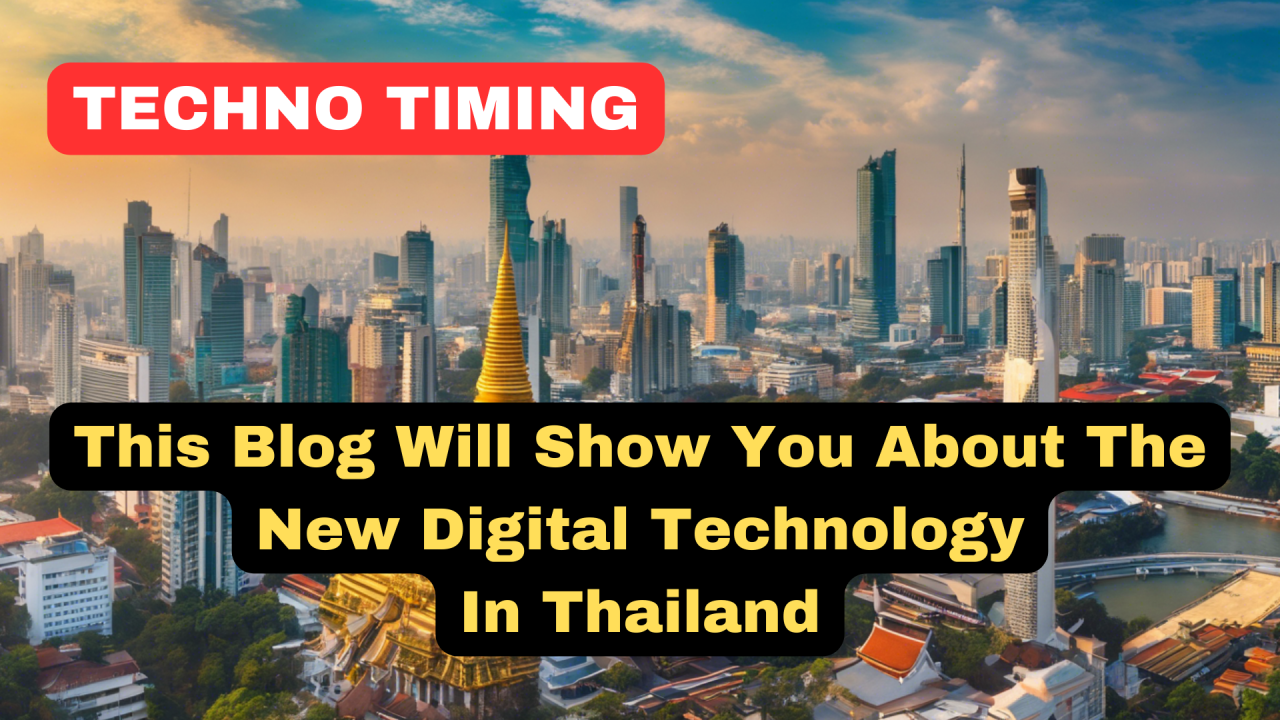
Thailand’s Digital Revolution: How New Technologies Are Transforming
Thailand is undergoing a profound digital transformation that is reshaping its economy, cities, and everyday life. Under the national Thailand 4.0 strategy, the country is moving from a traditional manufacturing-based economy to one driven by innovation, data, and advanced technology.
This transformation spans industries, government, and society, integrating 5G connectivity, cloud computing, artificial intelligence (AI), e-commerce, and smart city initiatives. For businesses, citizens, and visitors, these technologies are creating exciting opportunities and changing the way people live, work, and interact. This article explores Thailand’s major digital technology trends, their practical applications, and the opportunities and challenges they bring.
1. The Foundation of Thailand’s Digital Economy
Thailand’s digital journey is built on strong infrastructure investments and supportive policies. The digital economy contributed roughly 6% of GDP in 2023 and is projected to reach about 11% by 2027. These numbers reflect growth not just in digital infrastructure, but also in applications such as cloud computing, AI, and the Internet of Things (IoT).
Thailand 4.0 emphasizes transforming the country into a high-value economy, focusing on technology, innovation, and knowledge-based industries. Government agencies are actively supporting this transformation through initiatives that promote startups, technological innovation, and digital literacy.
Key aspects of Thailand’s digital economy include:
- Infrastructure investment: Expanding high-speed networks and data centers.
- Policy support: Incentives for innovation and investment in digital sectors.
- Human capital development: Programs to train workers in digital skills, AI, and software development.
2. 5G Connectivity, Cloud Computing, and Data Centers
A critical driver of Thailand’s digital leap is connectivity. The rollout of 5G networks across urban and rural areas has enabled high-speed, low-latency services, opening new possibilities for industries and citizens alike.
Simultaneously, investments in cloud computing and large-scale data centers are positioning Thailand as a regional digital hub. This combination of 5G and cloud technology supports advanced applications such as edge computing, real-time IoT analytics, and AI-driven services.
Benefits of these technologies include:
- Business agility: Companies can migrate legacy systems to cloud platforms, enhancing flexibility and reducing costs.
- Industrial innovation: IoT and smart manufacturing systems are now feasible at scale, boosting efficiency and productivity.
- Enhanced user experiences: Faster, more reliable digital services improve online banking, e-commerce, and entertainment platforms.
The result is a more connected, innovative ecosystem where technology drives economic growth and convenience for individuals and businesses.
3. Artificial Intelligence, Automation, and Low-Code Platforms
AI and automation are reshaping Thailand’s industries. Companies are integrating AI into business operations, analytics, and customer service, while low-code and no-code platforms allow even non-technical employees to develop applications and automate workflows.
Key applications include:
- Smart manufacturing: AI-powered IoT sensors optimize production lines, reduce costs, and improve efficiency.
- Business process automation: Low-code tools accelerate app and workflow development, helping organizations adapt quickly.
- Government services: AI systems help manage public services, track citizen requests, and improve urban planning.
AI adoption is also driving new business models and opportunities, from predictive analytics in finance to AI-enhanced customer experiences in retail.
4. FinTech, Digital Payments, and E-Commerce
Thailand’s digital transformation is particularly visible in financial services and commerce. Mobile wallets, QR code payments, and instant money transfers are becoming standard, increasing financial inclusion and convenience.
E-commerce is booming, with social commerce and online marketplaces enabling small businesses to reach new customers. Digital payment systems reduce reliance on cash and speed up transactions, while online retail platforms allow consumers to compare products, read reviews, and make informed decisions.
Impacts of this transformation include:
- Economic growth: SMEs gain access to national and international markets.
- Consumer convenience: Seamless, secure, and fast payment methods improve shopping experiences.
- Innovation in logistics: Digital platforms optimize supply chains and delivery services.
These advancements are creating a digitally empowered economy, benefiting both businesses and consumers.
5. Smart Cities, IoT, and Public Services
Thailand is investing in smart city initiatives across more than 100 projects, integrating technology into urban infrastructure to improve quality of life. Smart cities leverage IoT sensors, AI analytics, and 5G connectivity to optimize urban services.
Examples include:
- Traffic management systems: Real-time data helps reduce congestion and improve safety.
- Telemedicine and healthcare: High-speed networks enable remote consultations for rural communities.
- Digital government services: Platforms allow citizens to report issues, access information, and track service requests efficiently.
Smart city initiatives enhance efficiency, sustainability, and public engagement, making Thailand’s cities more livable and technologically advanced.
6. Challenges and Opportunities
Despite rapid progress, Thailand’s digital transformation faces several challenges:
- Talent shortage: There is a growing need for skilled professionals in AI, cloud computing, and digital business operations.
- Regulation and governance: Data privacy, cybersecurity, and emerging technologies require updated policies.
- Urban-rural divide: Ensuring equal access to digital services across regions is critical.
- Legacy systems: Many organizations must modernize outdated infrastructure to take full advantage of new technologies.
However, the future looks promising. Emerging technologies such as blockchain, sustainable software solutions, and AI-driven enterprise platforms are expected to play a larger role in the next five years. For businesses and individuals, this means faster services, smarter decision-making, and increased opportunities to leverage digital tools.
7. Thailand’s Vision for the Future
Thailand’s digital transformation aligns with global trends while focusing on local priorities. The government and private sector are actively fostering an ecosystem that encourages innovation, entrepreneurship, and knowledge-based industries.
Key focus areas include:
- Digital literacy: Training programs to equip the workforce with essential tech skills.
- Smart industry adoption: Encouraging factories and service providers to use AI, IoT, and automation.
- Sustainable technology: Leveraging technology to reduce environmental impact and promote efficiency.
- Inclusive growth: Ensuring that both urban and rural communities benefit from digital advancements.
By continuing to invest in infrastructure, talent, and innovation, Thailand is positioning itself as a leading digital hub in Southeast Asia.
Iaoegynos2 Explained: The Future of Smart Enterprise Solutions
Conclusion
Thailand is at the forefront of a digital revolution that is transforming its economy, cities, and everyday life. From 5G and cloud computing to AI automation, fintech innovations, and smart city projects, technology is creating real opportunities and practical improvements.
While challenges such as talent shortages, governance, and inclusive adoption remain, the nation’s commitment to digital advancement is clear. For businesses, citizens, and investors, Thailand demonstrates how a country can embrace technology to become more connected, agile, and innovative. As digital adoption continues, staying informed and adaptable will be key to thriving in this rapidly evolving landscape.
Frequently Asked Questions
- How is Thailand using 5G and digital infrastructure to advance technology?
- What role does AI play in Thailand’s digital economy transformation?
- How have digital payments and e-commerce developed in Thailand?
- What are smart cities in Thailand and how are they improving lives?
- What challenges does Thailand face in its digital technology adoption and what is next?