Local SEO for Beginners 2027: The Complete Starter Guide
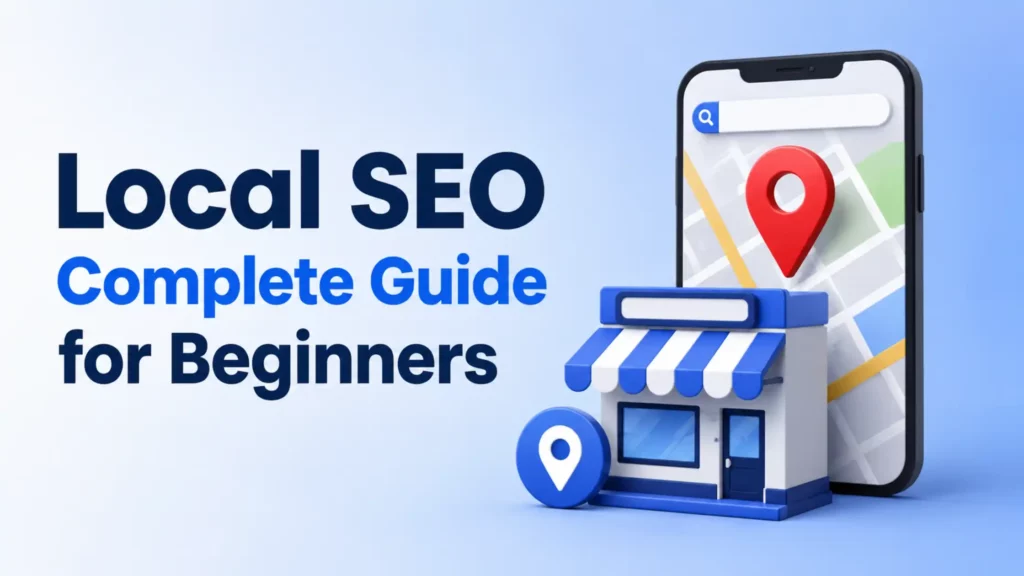
Local SEO for Beginners is the first step to helping nearby customers find your business on Google. When someone searches for “plumber near me” or “best coffee shop in Austin,” Google shows businesses that match the search and location.
If you own a small business, local search can help you reach more people in your area. It can bring more calls, website visits, store visits, and sales.
This Local SEO guide explains how local search works and how you can improve your online presence. You will learn how to set up your Google Business Profile, find local keywords, get customer reviews, and improve your Google Maps ranking.
You do not need to be an SEO expert to get started. Follow these simple steps and build your local SEO strategy one step at a time.
What Is Local SEO?
Local SEO, also known as local search engine optimization, is the process of improving your online presence so people in your area can find your business on search engines.
For example, imagine you own a bakery in Chicago. You want nearby people to find your shop when they search for “fresh bread near me” or “best bakery in Chicago.”
Local SEO helps your business appear in these searches.
Regular SEO focuses on reaching people from many different places. Local SEO focuses on customers in a specific town, city, or service area.
Where Can Your Business Appear in Local Search Results?
There are two main places where your business can appear.
1. Google Maps and the Local Map Pack
The local map pack is the section that shows a map and a few business listings near the top of Google search results.
These listings may show:
- Business name
- Customer ratings and reviews
- Address or service area
- Opening hours
- Phone number
- Website link
- Directions
A strong Google Maps ranking can help more nearby customers discover your business.
2. Local Organic Search Results
These are the regular website results that appear below or around the map listings.
For example, a person searching for “dentist in Chicago” may see dental clinics, local service pages, and helpful articles.
Your website can appear in these results when it has useful content and is properly optimized for local searches.
How Does Local SEO Work?
Google uses different signals to decide which businesses appear in local search results.
Three important local SEO ranking factors are relevance, distance, and prominence.
Understanding these factors will help you create a better local SEO strategy.
1. Relevance
Relevance means how closely your business matches what someone is searching for.
For example, if a person searches for “Italian restaurant,” Google will look for businesses that offer Italian food.
Your Google Business Profile should have:
- The correct business category
- A clear business description
- Accurate services and products
- Updated contact details
- Useful photos
- A link to your website
A complete profile helps Google understand what your business offers.
2. Distance
Distance means how far your business is from the person searching.
For example, someone searching for “coffee shop near me” will usually see coffee shops close to their current location.
You cannot control where a customer is searching from. However, you can make sure your business address and service areas are correct.
If you visit customers instead of serving them at a shop, you can set your service areas in your Google Business Profile.
3. Prominence
Prominence means how well-known and trusted your business is.
Google may consider signals such as:
- Customer reviews
- Review ratings
- Links from other websites
- Mentions of your business online
- Your website’s local presence
- Your overall reputation
You can build prominence over time by earning real reviews, getting local backlinks, and keeping your business information accurate.
Why Local SEO Is Important for Small Businesses
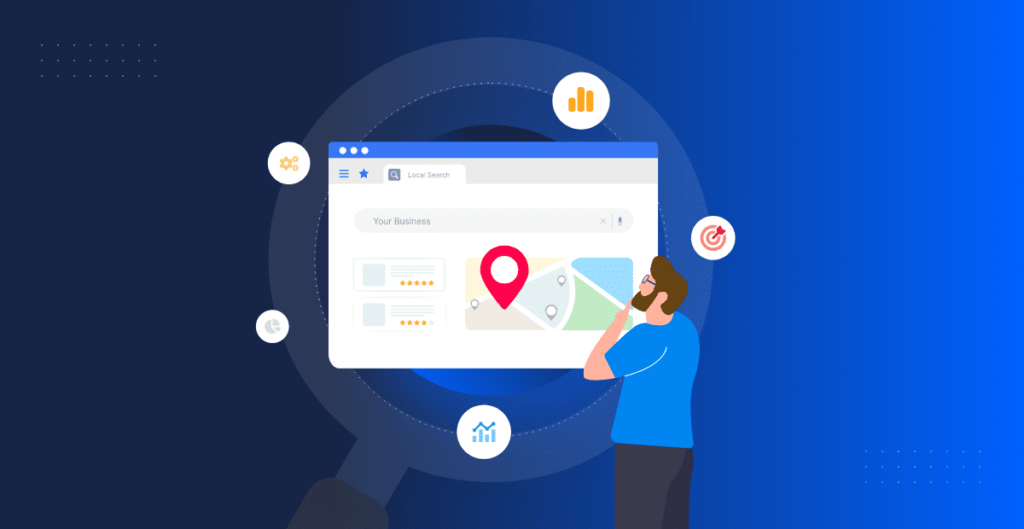
Local SEO for small businesses is important because it helps you reach people who are already looking for your products or services.
A person searching for a nearby plumber may need help right away. Someone searching for a local restaurant may be ready to visit that same day.
If your business appears in these searches, you have a better chance of getting their attention.
Here are some key benefits of local SEO.
1. Reach More Nearby Customers
Local SEO helps your business appear when people search for products or services in your area.
This can bring more visitors to your website and more people to your physical location.
2. Build Trust With Customer Reviews
People often read reviews before choosing a business.
A profile with helpful responses and genuine customer ratings can make a strong first impression.
Reviews also help people understand the quality of your products and services.
3. Get More Calls and Store Visits
Your Google Business Profile can show your phone number, opening hours, address, and directions.
Customers can use this information to contact you or visit your business.
4. Compete With Larger Businesses
You do not always need a large marketing budget to improve your local search visibility.
A small business can build a strong local presence by keeping its information accurate, publishing useful content, and earning customer reviews.
5. Build Long-Term Online Visibility
Paid ads can bring traffic while you are paying for them. Local SEO helps you build an online presence that can continue bringing visitors over time.
However, local rankings need regular attention. You should keep your business profile, website, and listings updated.
Google Business Profile Optimization
Google Business Profile optimization is one of the most important parts of local business SEO.
Your Google Business Profile helps your business appear on Google Search and Google Maps. It also gives customers useful information before they contact you.
Follow these steps to improve your profile.
1. Claim Your Business Profile
Visit the Google Business Profile website and search for your business.
If a profile already exists, follow the steps to claim it. If there is no profile, create one.
Complete the verification process to show that you manage the business.
2. Add Correct Business Information
Make sure your profile includes:
- Your real business name
- Correct business address
- Phone number
- Website URL
- Opening and closing hours
- Business category
- Products or services
- Service areas, if needed
Check every detail before publishing it.
3. Choose the Right Business Category
Your main category should describe your primary service.
For example, if you run a pizza shop, choose a category that clearly identifies it as a pizza restaurant.
You can also add other relevant categories if your business offers more services.
Do not choose unrelated categories just to appear in more searches.
4. Add Real Business Photos
Photos help customers understand what your business looks like.
You can upload:
- Pictures of your shop or office
- Photos of your products
- Pictures of your team
- Examples of your work
- Images of your business location
Use clear, real photos instead of relying only on stock images.
5. Write a Clear Business Description
Explain what your business does, where it operates, and what customers can expect.
Use natural language. You can mention your main services and location, but avoid repeating the same keywords again and again.
6. Keep Your Profile Updated
Update your opening hours when they change. Add new photos and share useful updates about your services, offers, or events.
Answer customer questions and check your profile regularly.
These steps can improve your business profile and make it easier for customers to choose you.
Local Keyword Research
Local keyword research means finding the words people use when searching for businesses in your area.
These keywords help you understand what your customers want and how they search online.
For example, a person looking for a cleaning service may search for:
- Cleaning service near me
- House cleaning in Chicago
- Affordable cleaners in Austin
- Office cleaning services in Dallas
These are examples of location-based keywords.
1. Add Your City or Service Area
Start by adding your city, town, or neighborhood to your main service keywords.
For example:
- Dentist in New York
- Best bakery in London
- Electrician in Rawalpindi
- Car repair in Manchester
Choose locations that your business actually serves.
2. Use Google’s Search Suggestions
Start typing a service into Google and look at the suggestions.
For example, type “best restaurant in” and see which locations and phrases appear.
These suggestions can give you ideas about what people are searching for.
3. Check Related Searches
Scroll to the bottom of Google search results.
You may find related searches that give you more keyword ideas.
Use these phrases to plan website pages, blog posts, and service descriptions.
4. Focus on Customer Search Intent
Think about what a person wants when they search.
Someone searching for “what is roof repair” may want information. Someone searching for “roof repair service near me” may be ready to hire a company.
Create content that matches these needs.
5. Use Local Keywords Naturally
Add relevant keywords to your:
- Page titles
- Main headings
- Website content
- Service pages
- Meta descriptions
- Image descriptions, where appropriate
Do not force keywords into every sentence. Write for people first.
Local SEO Ranking Factors
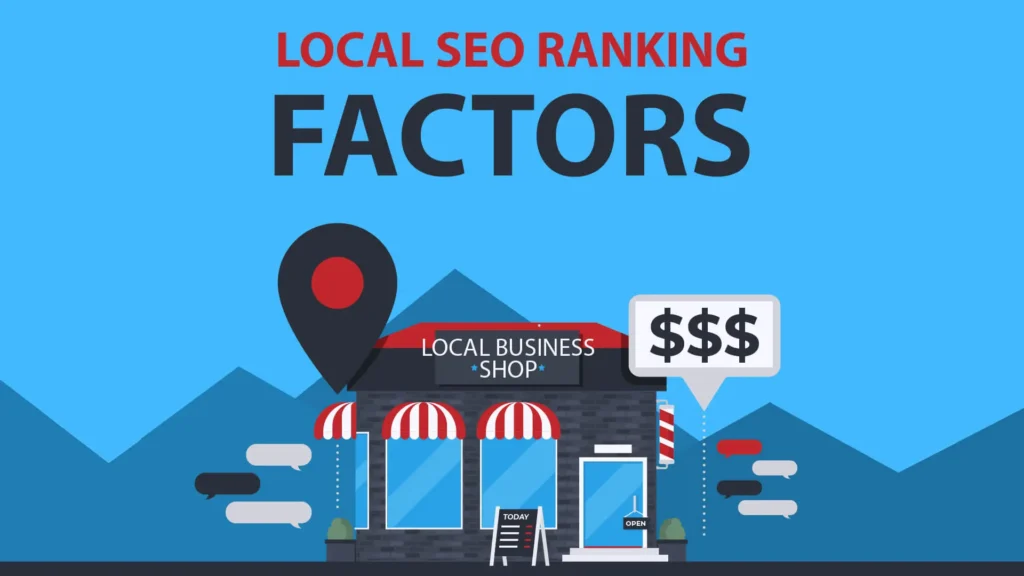
Local SEO ranking factors help Google understand which businesses are useful and relevant to a search.
Some important areas to focus on include the following.
Google Business Profile Quality
A complete and accurate profile helps Google understand your business.
Make sure your business category, address, phone number, services, and opening hours are correct.
Customer Reviews and Ratings
Reviews help people decide whether they can trust your business.
Ask satisfied customers to share honest feedback. Respond to reviews in a polite and helpful way.
NAP Consistency
NAP stands for Name, Address, and Phone Number.
Your business details should match across your website, Google Business Profile, social media accounts, and business directories.
For example, do not use an old phone number on one website and a new number on another.
Consistent information makes it easier for customers and search engines to identify your business.
Website Quality
Your website should be easy to use, load properly, and work well on mobile phones.
It should explain your services and provide clear contact information.
Local Backlinks and Citations
Local backlinks are links from other websites in your area.
Local citations are online mentions of your business details. They may appear on business directories, local websites, and industry listings.
Both can help strengthen your online presence when they come from useful and trustworthy sources.
Location-Based Content
Your website should explain which locations you serve.
Create useful pages for your main services and service areas. Make sure each page offers helpful information instead of simply repeating the same text with a different city name.
How to Improve Local SEO Rankings
If you want to improve local SEO rankings, focus on a few important tasks and complete them regularly.
You do not need to do everything in one day. Start with the basics and build from there.
Step 1: Complete Your Google Business Profile
Claim and verify your profile. Add accurate business details, choose the right category, upload photos, and list your services.
Check your profile often to make sure the information is still correct.
Step 2: Keep Your Business Details Consistent
Search for your business name online.
Check your address and phone number on directories, social media profiles, and review websites.
Fix any incorrect information you find.
Step 3: Ask Customers for Honest Reviews
Ask happy customers to leave a review after they use your service.
You can share your review link through email or text.
Never buy reviews or offer rewards in exchange for positive feedback. Focus on genuine customer experiences.
Step 4: Create Useful Local Landing Pages
A local landing page is a website page that focuses on a service and a specific location.
For example, a plumbing company may create pages for:
- Plumbing services in Austin
- Emergency plumbing in Round Rock
- Water heater repair in Cedar Park
Each page should contain useful information about the service and the area.
Avoid creating many pages with almost the same content. Give visitors a real reason to read each page.
Step 5: Improve Your Website for Mobile Users
Many people search for local businesses on their phones.
Make sure your website:
- Loads quickly
- Has readable text
- Uses clear menus
- Shows contact details
- Has easy-to-use buttons
- Works on different screen sizes
A simple mobile-friendly website can make it easier for customers to contact you.
Step 6: Build Local Citations
Add your business to trusted local business directories.
Start with relevant platforms and industry websites. Make sure your business name, address, and phone number are correct.
Local citation building is about accuracy and quality, not adding your details to every directory you can find.
Step 7: Earn Local Backlinks
Look for real opportunities to get mentioned by local websites.
You could:
- Sponsor a local event
- Support a community group
- Join your local business association
- Work with nearby businesses
- Share useful information with local bloggers
- Take part in community activities
These activities can help you earn local backlinks and build relationships in your area.
Step 8: Publish Helpful Local Content
Write content that answers questions from people in your area.
For example, a bakery could publish a guide to local food events. A plumber could write about common winter plumbing problems in the city.
Useful content can attract local visitors and help people understand your services.
Step 9: Track Your Results
Check your Google Business Profile performance and website traffic.
Pay attention to:
- Website visits
- Phone calls
- Direction requests
- Search terms
- Customer reviews
- Contact form submissions
Use this information to understand what is working and what needs improvement.
Local SEO Tools for Beginners
You do not need expensive software to start local SEO marketing. Several free tools can help you manage your business information, find keywords, and check website performance.
Here are some useful local SEO tools for beginners.
1. Google Business Profile
https://www.google.com/business
Use this tool to manage how your business appears on Google Search and Maps.
You can update your business details, add photos, respond to reviews, and check available performance information.
2. Google Search Console
https://search.google.com/search-console
Google Search Console helps you understand how your website performs in Google Search.
You can check which searches bring visitors to your website, find indexing problems, and review your search performance.
3. Google Keyword Planner
https://ads.google.com/home/tools/keyword-planner
This tool helps you find keyword ideas and review search estimates.
You can use it to discover phrases related to your products, services, and locations.
4. Google Trends
Google Trends shows how interest in a search topic changes over time.
It can help you compare search terms and understand whether people are becoming more interested in a particular service or topic.
5. Google Maps
Google Maps helps you review how local businesses appear to customers.
You can search for competitors, check business categories, and understand which businesses appear for relevant local searches.
6. Bing Places for Business
Bing Places lets eligible businesses manage their listings on Bing.
Keeping your information accurate on more than one search platform can help customers find your business.
7. PageSpeed Insights
PageSpeed Insights checks website speed and performance.
Use it to find problems that may make your website slow or difficult to use, especially on mobile devices.
Start with these tools before paying for expensive SEO software. Choose the ones that match your business needs.
Common Local SEO Mistakes Beginners Should Avoid
Many businesses make simple mistakes that can hurt their local search visibility.
Avoid these problems when working on your local SEO strategy.
1. Adding Keywords to Your Business Name
Do not add extra keywords or locations to your business name unless they are part of your real business name.
Use the name your customers know and the name your business uses in the real world.
2. Ignoring Customer Reviews
Do not leave customer reviews unanswered.
Thank people for positive feedback. Respond politely to negative reviews and try to solve the problem.
3. Using Different Contact Details
Incorrect phone numbers and addresses can confuse customers.
Check your business listings regularly and keep your NAP information consistent.
4. Choosing the Wrong Business Category
A category that does not match your main service can make your profile less relevant to the right searches.
Choose the most accurate primary category.
5. Having a Poor Website
A slow or confusing website can make visitors leave before contacting you.
Keep your website simple, useful, and mobile-friendly.
6. Forgetting to Add Service Areas
If you travel to customers, make sure your Google Business Profile shows the areas you serve.
You can also create useful website pages for important service areas.
7. Expecting Instant Results
Local SEO takes time.
Some businesses may notice early changes within a few weeks, while others may need several months to see stronger results.
Keep working on your profile, website, reviews, and local links. Do not stop after a few days.
8. Creating Duplicate Business Listings
Duplicate listings can confuse customers and create problems with your business information.
Check for duplicate profiles and follow Google’s support process to report or resolve them.
Local SEO Checklist
Use this simple local SEO checklist to make sure you have covered the important tasks.
Google Business Profile
- Claim and verify your Google Business Profile.
- Add your real business name.
- Enter the correct address and phone number.
- Choose the right primary business category.
- Add relevant services and products.
- Upload real business photos.
- Add accurate opening hours.
- Review and update your profile regularly.
Website Optimization
- Add your main location to relevant page titles.
- Create useful service pages.
- Add local keywords naturally.
- Make your website mobile-friendly.
- Improve page loading speed.
- Add clear contact details.
- Create useful local content.
Reviews and Business Listings
- Ask happy customers for honest reviews.
- Respond to positive and negative reviews.
- Check your business name, address, and phone number.
- Fix incorrect business listings.
- Add your business to relevant directories.
- Look for genuine local link opportunities.
Tracking and Improvement
- Set up Google Search Console.
- Check website traffic.
- Review Google Business Profile performance.
- Track calls and direction requests.
- Check your local search rankings.
- Review your progress every month.
You can use this checklist every month to keep your local SEO work on track.
Expert Local SEO Tips for Better Results
Once you have completed the basics, use these local SEO tips to improve your online presence.
Keep Your Business Profile Active
Update your profile when you have new photos, services, offers, or events to share.
Make sure every update gives customers useful information.
Add New Photos
Share real pictures of your products, team, work, and location.
Fresh photos can help customers understand what your business offers.
Answer Customer Questions
Check your profile for customer questions and provide clear answers.
This helps people get the information they need before visiting or contacting you.
Study Your Local Competitors
Search for your main services and locations on Google.
Look at businesses that appear near the top. Review their categories, services, website content, and customer feedback.
Use this information to find areas where your business can improve. Do not copy their content or business details.
Track Rankings in Different Areas
Local search results can change depending on where a person searches.
Check your business visibility from different parts of your service area. This gives you a better idea of where your business is performing well and where it needs more work.
Build Relationships in Your Community
Work with nearby businesses, support local events, and take part in community activities.
These relationships can lead to local mentions, useful backlinks, and new customers.
Real Examples of Local SEO for Small Businesses
Here are three simple examples of how local SEO strategies can help different types of businesses.
Example 1: A Local Dental Clinic
Imagine a new dental clinic that wants to attract more patients.
The clinic creates and verifies its Google Business Profile. It adds its services, opening hours, photos, and contact details.
It also asks satisfied patients to leave honest reviews and responds to their feedback.
Over time, the clinic builds a stronger online reputation and becomes easier for nearby people to find.
Example 2: A Mobile Car Cleaning Service
A mobile car cleaning business does not have a shop that customers can visit.
The owner sets the service areas in the Google Business Profile and creates website pages for the main areas covered.
The business also publishes helpful articles about car care and builds relationships with local car clubs.
These steps help people in the service areas discover the business.
Example 3: A Family Restaurant
A family restaurant has several negative reviews and an incomplete business profile.
The owner updates the profile, adds photos of the food, and starts responding to customer feedback.
The restaurant also fixes common problems mentioned in reviews.
As the business improves its service and online presence, it has a better chance of earning customer trust and attracting new visitors.
These examples show that local SEO is not only about rankings. It is also about giving customers accurate information and a good experience.
What Should Beginners Know About Local SEO in 2027?
Local SEO continues to change as search engines improve how they show information.
Here are some important areas to watch.
AI Search and Local Results
Some Google searches now include AI-generated answers.
This means people may see summaries before clicking on regular search results.
A complete business profile, clear website information, and genuine customer feedback can help people understand your business across different search experiences.
Genuine Reviews Matter
Fake reviews can damage trust and may violate platform rules.
Focus on real feedback from real customers. Respond to reviews and use customer comments to improve your service.
Mobile Searches Remain Important
People often search for nearby businesses while they are away from home.
Make sure your website works well on phones. Keep your phone number, address, opening hours, and directions easy to find.
Useful Content Builds Trust
Do not create pages only to include location keywords.
Write helpful content that answers real customer questions. Explain your services, prices where appropriate, service areas, and what makes your business useful.
Keep Business Information Accurate
Check your profile and online listings regularly.
Correct opening hours, contact details, and service information help customers make better decisions.
How Long Does Local SEO Take to Work?
Local SEO does not produce the same results for every business.
Some businesses may notice early changes within four to eight weeks. Stronger results can take three to six months or longer.
The timeline depends on several things:
- How old your business is
- How competitive your local market is
- How complete your website and business profile are
- How many trusted reviews and mentions you have
- How regularly you work on local SEO
A new business may need more time to build trust and visibility.
The best approach is to work on your local SEO every week and review your progress every month.
Learn about effective keyword targeting, content relevance, and sustainable organic growth through the educational resources available at Search Engine Insight.
Frequently Asked Questions
How to do local SEO for beginners?
Start by creating and verifying your Google Business Profile. Add correct business details, choose the right category, and upload real photos. Then improve your website, find local keywords, earn honest customer reviews, and add your business to relevant directories.
What Is Local SEO in simple words?
Local SEO helps your business appear when people nearby search for your products or services. It focuses on Google Maps, local search results, business listings, customer reviews, and location-based website content.
How does local SEO work?
Google looks at relevance, distance, and prominence when showing local businesses. It uses information from business profiles, websites, reviews, and other online sources to understand which businesses may match a search.
How can I rank my business on Google Maps?
Claim and verify your Google Business Profile. Complete all important sections, choose the right category, add photos, and keep your information updated. Build a strong reputation through genuine customer reviews and useful local content.
How can I improve Google Maps rankings?
Keep your business profile accurate and complete. Choose relevant categories, collect honest reviews, respond to customers, and make sure your website supports your main services and locations.
How do I find local keywords for SEO?
Start with your main products or services. Add your city, town, or neighborhood to those terms. You can also use Google suggestions, related searches, Google Keyword Planner, and Google Trends to find more ideas.
What are local citations?
Local citations are online mentions of your business name, address, and phone number. They often appear on business directories, review websites, and local websites. Keep these details accurate and consistent.
Are there free local SEO tools for beginners?
Yes. Google Business Profile, Google Search Console, Google Keyword Planner, Google Trends, Google Maps, Bing Places, and PageSpeed Insights are useful tools. They can help you manage listings, research keywords, and check website performance.
How much does local SEO cost?
You can do basic local SEO yourself without paying for expensive tools. However, hiring a professional or agency can cost more depending on your location, competition, and the services you need.
Should I hire local SEO services?
You may benefit from local SEO services if your market is highly competitive, your website has technical problems, or you do not have time to manage SEO yourself. Choose a provider with clear work plans and real examples of results.
Does social media help local SEO?
Social media can help people discover your business and visit your website. It can also support your online reputation and brand awareness. However, social media followers alone do not guarantee higher local rankings.
Can a business without a physical shop use local SEO?
Yes. Service-area businesses, such as plumbers, cleaners, and mobile mechanics, can use local SEO. They can set the areas they serve in their Google Business Profile and create useful website pages for those locations.
Can I do local SEO for multiple locations?
Yes. If your business has several real locations, you can create a separate eligible business profile for each one. You should also create useful website pages with unique information for each location. Do not create fake addresses or locations.
Conclusion:Local SEO for Beginners 2027
Local SEO for Beginners does not have to be difficult. You can start with a few simple steps and improve your online presence over time.
First, claim and complete your Google Business Profile. Then keep your business details consistent, collect honest customer reviews, and improve your website with useful local content.
Use local keyword research to understand what nearby customers are searching for. Build local citations, earn relevant backlinks, and check your results regularly.
You do not need to complete everything at once. Start with your business profile and website, then follow the Local SEO checklist as you move forward.
Most importantly, focus on helping real customers. Give them correct information, useful answers, and a good experience. With steady effort, your business can build stronger local search visibility and reach more people in your area.