PPC vs SEO for Small Business: Which Deserves Your Budget? (2027)
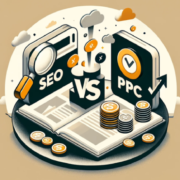
The PPC vs SEO for small business debate never really ends, because both sides have a point. PPC, or pay-per-click advertising, can bring customers this week. SEO, or search engine optimization, can bring customers for years without paying per click. But your budget is limited, so you need to choose wisely.
This guide breaks down both options in plain English. You will learn what each one is, how they compare on cost, speed, and trust, and which fits different types of small businesses. By the end, you will have a clear answer for your situation, plus a simple way to combine both.
What Is PPC?
PPC stands for pay-per-click. You run ads on platforms like Google or Facebook, and you pay each time someone clicks your ad. Your ad appears at the top of search results or in social feeds, marked as sponsored.
PPC in Plain English
Imagine renting the best billboard in town. As long as you pay rent, your message is front and center. Stop paying, and it comes down the same day. That is PPC. You are renting attention.
The most common form is Google Ads, as explained in Google Ads Help. When someone searches “emergency plumber near me,” the top results are often ads. The plumber pays a few dollars each time someone clicks. If the click turns into a $300 job, that is money well spent.
The Main PPC Platforms for Small Business
- Google Ads. Search ads, map ads, and display ads across Google’s network. Best for capturing people actively searching.
- Meta Ads (Facebook and Instagram). Great for visual products and local targeting by interests and demographics.
- Microsoft Ads (Bing). Smaller audience, but often cheaper clicks. Worth testing.
- Local service ads. Google’s pay-per-lead format for service businesses, where you pay for calls instead of clicks.
What Is SEO?
SEO stands for search engine optimization. It means improving your website and online presence so you rank higher in the free, organic search results. Nobody pays Google for these rankings. You earn them with good content, a solid website, and trust signals like backlinks and reviews.
SEO in Plain English
If PPC is renting a billboard, SEO is buying the land and building your own. It takes longer and more work upfront. But once it is built, the traffic keeps coming without paying for every visitor.
For a small business, SEO includes optimizing your Google Business Profile, earning reviews, creating helpful website content, and getting listed accurately across the web. It is a slower build, but the results compound.
The Main Parts of SEO for Small Business
- Local SEO. Optimizing your Google Business Profile, reviews, and citations to rank in the map pack.
- On-page SEO. Making each page clear, fast, and well-matched to what searchers want.
- Content. Publishing helpful articles and guides that answer customer questions.
- Backlinks. Earning links from other websites that build your site’s authority.
PPC vs SEO for Small Business: Side-by-Side Comparison
Here is the head-to-head view. No single row decides the winner for everyone. Your business type, budget, and timeline tip the scales.
| PPC (Pay-Per-Click) | SEO (Search Engine Optimization) | |
|---|---|---|
| What you pay for | Every click or lead | Time, effort, and sometimes help |
| Speed to results | Days | Months |
| Cost over time | Ongoing: stops when you stop paying | Front-loaded: keeps working after |
| Best for | Quick sales, launches, testing | Long-term growth, trust building |
| Trust level | Lower: marked as ads | Higher: seen as earned results |
| Control | High: exact targeting and budget caps | Lower: Google decides rankings |
| Scalability | Easy to scale with budget | Scales with effort and authority |
| Risk | Wasted spend if poorly managed | Slow payoff if done inconsistently |
Why the PPC vs SEO for Small Business Comparison Has No Universal Winner
PPC wins on speed and control. SEO wins on long-term cost and trust. A new business that needs customers this month should lean toward PPC. A business playing the long game with limited budget should lean toward SEO. Most healthy businesses eventually use both.
Cost Comparison: What Each Really Costs
Money is usually the deciding factor, so let us be honest about both.
What PPC Really Costs
With PPC, you set the budget. You might spend $500 or $5,000 a month. Your cost per click depends on your industry. Competitive fields like legal or insurance pay far more per click than a local bakery.
But the ad spend is not the whole cost. Someone has to manage the campaigns: writing ads, choosing keywords, and adjusting bids. Badly managed PPC burns money fast. Well-managed PPC is one of the most measurable investments a business can make. You know exactly what each customer cost.
What SEO Really Costs
SEO looks free, but it is not. It costs time: yours or someone you hire. Creating content, earning reviews, fixing your website, and building citations all take hours. If you hire help, expect monthly retainers or project fees that vary widely by market.
The difference is what happens after. Once your pages rank, the traffic costs nothing per visit. A page that took ten hours to create can bring customers for years. That is why SEO often wins on long-term return, even though it starts slower.
The Honest Math
PPC is renting. SEO is building equity. Renting gives you a place to live today. Building equity gives you an asset tomorrow. Small businesses with tight cash flow often need to rent first. Businesses with patience and consistency should build.
Speed: How Fast Each One Works
PPC can deliver traffic the same day you launch a campaign. If your website converts visitors into customers, you can have new business within a week. This makes PPC ideal for launches, seasonal pushes, and testing new offers.
SEO takes months. A new site typically needs three to six months to see meaningful organic traffic. Local SEO can be faster: an optimized Google Business Profile with fresh reviews can climb the map pack in weeks. But content-driven SEO is a slow build.
Speed matters most when cash flow is tight. If you need revenue now to survive, PPC is the practical choice while SEO builds in the background.
Trust and Click Behavior: What Customers Prefer
Many searchers skip ads and click organic results. Studies over the years have consistently shown that organic listings earn the majority of clicks. People trust earned rankings more than paid placements.
That said, ads still work extremely well for urgent needs. Someone with a burst pipe clicks the first helpful result, ad or not. And in local searches, the map pack, which blends organic and paid, dominates attention.
For trust-heavy purchases like legal help, medical care, or big home projects, strong organic presence and reviews win. For urgent or transactional needs, well-run ads convert just fine.
Strengths and Weaknesses
Where PPC Shines
- Immediate results. Traffic starts within days.
- Precise targeting. Show ads to exact locations, ages, and interests.
- Easy testing. Test offers, prices, and messages quickly with real data.
- Predictable scaling. More budget usually means more traffic.
Where PPC Struggles
- Costs never stop. Pause spending and traffic vanishes instantly.
- Click costs rise. Popular keywords get more expensive over time.
- Ad fatigue. Audiences tune out the same ads, requiring fresh creative.
- Management burden. Campaigns need ongoing attention or they waste money.
Where SEO Shines
- Compounding returns. Effort today pays off for years.
- Higher trust. Organic rankings and reviews carry credibility.
- Lower long-term cost. No per-click fees once you rank.
- Defensive value. Strong rankings are hard for competitors to displace.
Where SEO Struggles
- Slow start. Months before meaningful traffic.
- Less control. Algorithm updates can shift rankings.
- Ongoing effort. Content, reviews, and links need maintenance.
- Harder to measure. Attribution is messier than PPC’s clean data.
Which Is Better for Your Small Business?
Match the choice to your situation, not to someone else’s opinion.
Choose PPC First When…
- You need customers or sales within weeks.
- You are launching something new and want fast feedback.
- You have a monthly budget you can sustain.
- Your services have high value per customer, so clicks pay for themselves.
- You want to test which messages and offers work before investing in SEO content.
Choose SEO First When…
- Your budget is tight but you have time to invest.
- You are building for the long term in a stable market.
- Trust matters a lot in your industry.
- You enjoy creating content or can hire someone who does.
- Your competitors have weak online content you can outdo.
The PPC vs SEO for Small Business Verdict by Business Type
- Local services (plumbers, dentists, lawyers). Start with local SEO and reviews for the map pack. Add PPC for immediate leads while SEO builds.
- E-commerce. PPC for fast product sales and testing. SEO for category and guide content that compounds.
- Restaurants and retail. Local SEO and reviews first. Use PPC or social ads for events, openings, and slow periods.
- B2B and consultants. SEO and content for trust and inbound leads. Use PPC sparingly to promote high-value offers like webinars or whitepapers.
How to Combine PPC and SEO Smartly
The best small business marketing uses both, each doing what it does best.
Use PPC Data to Guide SEO
Your PPC search term reports show exactly what people type before they buy. Those are your best SEO keyword ideas. If a keyword converts well in ads, create content to rank for it organically. You get the data fast from PPC, then earn the free traffic with SEO.
Use SEO Content to Lower PPC Costs
Send ad traffic to your best content, not just sales pages. A helpful guide with a soft call to action often converts better and earns a better quality score, which can lower your cost per click. Content and ads reinforce each other.
A Simple 70/30 Starting Split
If you must pick a ratio, many small businesses do well starting with roughly 70 percent of effort on the urgent need and 30 percent on the long game. Need customers now? That is 70 percent PPC, 30 percent SEO groundwork. Stable already? Flip it: 70 percent SEO, 30 percent PPC for testing and boosts.
Revisit the split quarterly. As SEO results grow, you can gradually shift budget from ads to content.
Common Mistakes Small Businesses Make
- Choosing only one forever. PPC-only businesses rent traffic forever. SEO-only businesses starve while waiting. Plan for both from the start, even if one gets more attention now.
- Running PPC without tracking. If you cannot tell which clicks became customers, you cannot improve. Set up conversion tracking before spending a dollar.
- Expecting SEO to work in a month. Impatience kills SEO efforts. Commit to at least six months of consistent work before judging results.
- Sending ad traffic to a bad website. Expensive clicks wasted on a slow, confusing site is the most common PPC money pit. Fix your landing pages first.
- Targeting keywords you cannot afford. Some PPC keywords cost more than the profit they bring. Do the math per customer before bidding.
- Ignoring the map pack. Many local businesses obsess over ads or blog content while their Google Business Profile sits half-empty. The map pack is often the highest-ROI local placement, and it is free.
- Copying big competitors’ budgets. A national brand’s PPC strategy will bankrupt a local shop. Scale everything to your market and margins.
What Changed in 2027
AI Overviews now answer many simple searches directly, which affects both channels. For SEO, it means thin informational content earns fewer clicks. Deep, experience-based content still wins. For PPC, it means ad placements and formats keep evolving, so staying current with your ad platform matters.
Automation has improved on ad platforms. Smart bidding and automated targeting work better than they used to, but they still need human oversight. Set them up carefully, check them weekly, and do not assume the algorithm always knows best.
Privacy changes continue to limit tracking. Both PPC and SEO measurement are a bit fuzzier than they were years ago. Focus on business outcomes like calls and
sales, not just clicks and rankings.
Still deciding where to spend your budget? Read more small business marketing guides on SearchEngineInsight.
Frequently Asked Questions
Is PPC or SEO better for a small business?
Neither is always better. PPC brings fast results but costs money continuously. SEO builds lasting traffic but takes months. Most small businesses do best with both: PPC for immediate leads and SEO for long-term growth. Your budget, timeline, and industry determine the right mix.
How much should a small business spend on PPC?
Spend only what you can afford to test for at least two to three months. Start small, measure cost per customer carefully, and scale what works. A common approach is starting with a modest daily budget, then increasing spend only on campaigns that prove profitable.
How long does SEO take for a small business?
Expect three to six months for meaningful organic traffic, sometimes faster for local map pack rankings. New websites in competitive markets may need longer. SEO is a compounding investment: slow at first, then increasingly valuable as rankings, content, and authority build on each other.
Can I do SEO myself or do I need an agency?
Many small businesses handle basic SEO themselves: claiming profiles, earning reviews, and publishing helpful content. Consider help for technical issues, competitive markets, or when your time is better spent running the business. Avoid anyone guaranteeing number-one rankings. No honest provider can promise that.
Does PPC help SEO rankings?
Not directly. Google has always said ad spending does not boost organic rankings. But PPC helps SEO indirectly: it reveals which keywords convert, drives traffic that can earn links and engagement, and lets you test content ideas quickly before investing in ranking for them.
Which gives better ROI: PPC or SEO?
It depends on the timeframe. PPC often shows faster measurable ROI because tracking is precise. SEO often shows better long-term ROI because traffic becomes nearly free after the initial investment. Measure both against the same goal, usually cost per acquired customer, over at least six to twelve months. Knowing how to measure content marketing ROI helps you compare both channels fairly.
Should a brand-new business start with PPC or SEO?
Start both, weighted by urgency. If you need revenue immediately, lean on PPC while building SEO foundations like your Google Business Profile and first content. If you can wait, invest heavily in SEO from day one and use small PPC tests to learn what messaging works.
What is the difference between PPC and SEM?
SEM, or search engine marketing, traditionally meant all search marketing including both PPC and SEO. In common use today, many people use SEM to mean paid search only. PPC specifically means pay-per-click advertising. When someone says SEM, ask whether they mean paid ads, organic, or both.
Are Google Ads worth it for local small businesses?
They can be, especially for high-value services where one customer covers many clicks. Local service ads, which charge per lead instead of per click, are often even better for plumbers, lawyers, and similar businesses. Test with a small budget and expand only if the cost per customer makes sense.
How do I know if my PPC campaigns are working?
Track conversions, not clicks. Set up tracking for calls, form submissions, and purchases. Then calculate your cost per conversion and compare it to what a customer is worth. If acquisition costs less than the profit a customer brings, the campaign works. If not, fix targeting, ads, or landing pages.
Can SEO replace PPC completely?
For some businesses, eventually yes. A site with dominant organic rankings and a strong review profile may get all the leads it needs without ads. But most businesses keep some PPC running for testing, defending brand terms, and capturing demand during pushes. Even SEO winners often keep a small ad budget.
What is harder to learn: PPC or SEO?
PPC has a steeper initial learning curve because mistakes cost money immediately. SEO mistakes cost time instead, which feels safer but can waste months. Both reward structured learning. Beginners often find SEO more forgiving to learn, since errors do not drain a budget while you figure things out.
Conclusion: PPC vs SEO for Small Business
The PPC vs SEO for small business question has no single right answer, only the right answer for you. PPC buys speed and control. SEO builds trust and lasting, low-cost traffic. One rents attention, the other owns it.
Start with your most urgent need. If cash flow demands customers now, run PPC while laying SEO foundations. If you can invest time for bigger future returns, prioritize SEO and use small PPC tests to learn fast. Revisit the balance every quarter. Businesses that thoughtfully combine both almost always outperform those that pick one and ignore the other.