Crackle Pricing: Is Crackle Free? Complete Pricing Guide
Crackle Pricing is a topic that many people still search for today. Even though Crackle is no longer available, people still want to know if it was really free and how it worked. They also want to know if the service ever had a paid plan or if everyone could watch for free.
When Crackle launched, it changed the way people watched movies and TV shows online. At that time, many streaming services asked users to pay for a subscription or rent individual movies. Crackle did things differently. It gave people free access to movies and TV shows. Instead of charging a monthly fee, it showed a few short ads during each video. This simple idea made online entertainment available to more people.
As more people started using Crackle, other streaming companies noticed its success. Today, many popular platforms use the same approach. Services like Tubi and Pluto TV also let people watch free content while showing a few ads. This is why many people still search for Crackle pricing.
They want to understand how the service stayed free for so many years. In this guide, you’ll learn how Crackle’s pricing worked, why the service was free, how it made money, and what features it offered. We’ll also compare Crackle with other streaming services and look at the best free alternatives available today.
What Was Crackle?
Before we talk about Crackle’s pricing, it’s important to understand what Crackle was. Crackle was a free streaming service where people could watch movies, TV shows, and original programs online. It worked on many devices, including Smart TVs, computers, smartphones, tablets, Roku, Fire TV, and game consoles. This made it easy to enjoy entertainment at home or while traveling.
Unlike many streaming services, Crackle never asked users to pay a monthly fee. There were no subscription plans or hidden charges. You simply opened the app or website, picked a movie or TV show, and started watching. During the video, you would see a few short ads. These ads helped pay for the service, so viewers could watch for free. Another reason people liked Crackle was its simple design.
The app was easy to use, even if you had never used a streaming service before. You could search for a movie, browse different categories, or check the latest additions without any trouble. In many cases, you didn’t even need to create an account before watching.
Crackle offered a wide range of content. You could find action movies, comedies, dramas, thrillers, documentaries, classic TV shows, and original series. While its library wasn’t as large as Netflix or Disney+, it still gave users plenty of free entertainment.
Crackle Pricing Explained
One of the most common questions people ask is, “Was Crackle really free?” The answer is yes. Crackle never charged users a monthly subscription fee. You didn’t have to buy credits, pay for individual movies, or sign up for a premium membership. As long as you had an internet connection, you could watch the content available on the platform without paying anything.
So, how did Crackle make money? The answer is simple. Crackle earned money by showing advertisements. Before a movie started, or during a TV show, viewers would see a few short ads. Companies paid Crackle to display these ads. That money helped cover the cost of running the service and adding new movies and TV shows.
This was a simple system that worked well for many people. Instead of paying with money, viewers watched a few commercials. Most people felt this was a fair trade because they could enjoy free entertainment without another monthly bill. Crackle also kept its pricing simple.
There were no different plans to compare or confusing features to unlock. Every user had access to the same content without paying a subscription. This made the platform easy to understand and easy to use.
How Did Crackle Make Money?
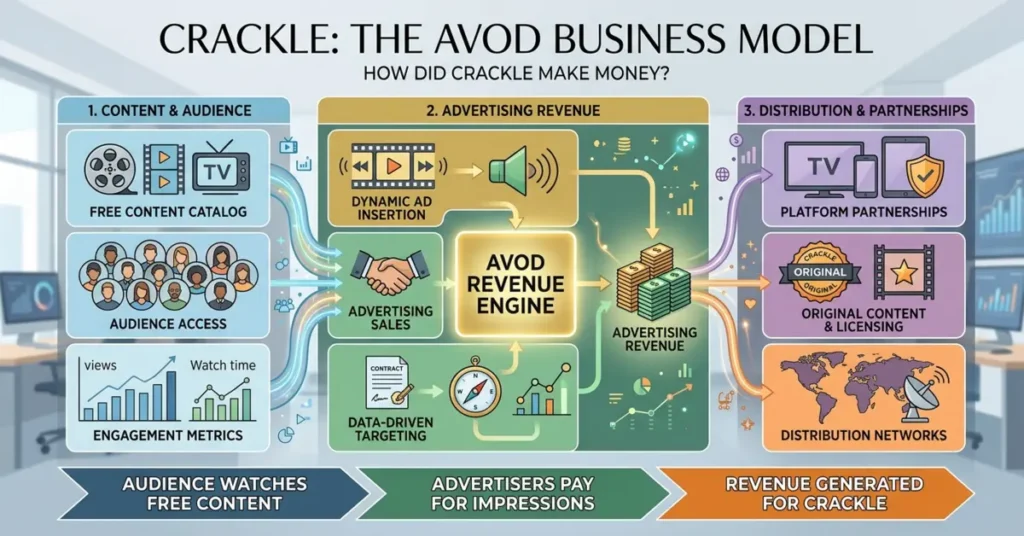
Many people wonder how Crackle stayed free for so many years. If users never paid a subscription fee, how did the company earn money? The answer is simple. Crackle made money through advertisements. When you watched a movie or TV show, you saw a few short ads before the video started and during playback.
Companies paid Crackle to show these ads to viewers. This advertising income helped the platform pay for its daily expenses, including content licenses, technology, and customer support. This business model worked well because everyone benefited. Viewers could watch free movies and TV shows without paying a monthly fee, while advertisers had a chance to promote their products. Instead of asking users to spend money, Crackle asked them to spend a little time watching commercials.
This idea wasn’t new. Traditional television channels had used commercials for many years. Crackle simply brought the same model to online streaming. The only difference was that people could choose what they wanted to watch instead of waiting for scheduled TV programs. Many streaming services now use the same system. Platforms like Tubi, Pluto TV, The Roku Channel, and Xumo Play also show ads instead of charging subscription fees.
This proves that free streaming supported by advertising can work well for both companies and viewers. Although some people prefer ad-free streaming, many users don’t mind a few commercials if it means they can enjoy unlimited entertainment without paying every month.
Did Crackle Ever Offer a Premium Plan?
One of the most common questions about Crackle Pricing is whether the platform ever offered a premium subscription. The answer is no.
Throughout its history, Crackle only had one version of its service. It never introduced a paid membership or an ad-free plan. Every user had access to the same content without paying a subscription fee.
Today, many streaming platforms offer different pricing plans. For example, users can pay extra to remove ads or unlock additional features. Crackle never followed this approach. It kept everything simple by offering one free service for everyone.
This made Crackle easy to understand. Users didn’t have to compare different plans or decide which subscription offered the best value. There were no hidden costs, upgrade options, or monthly payments to worry about. Of course, some viewers wished there had been an ad-free version.
Watching commercials during a movie wasn’t always ideal. Still, most people accepted the ads because they didn’t have to pay anything. Keeping the service free helped Crackle attract millions of users around the world. Many people preferred watching a few advertisements instead of paying another monthly streaming bill.
What Features Did Crackle Include?
Even though Crackle was free, it offered many useful features that made streaming simple and enjoyable. The biggest feature was its free content library. Users could watch movies, TV shows, documentaries, and original programs without paying a subscription fee. The library included many different genres, such as action, comedy, drama, horror, romance, family entertainment, and crime shows.
This gave viewers plenty of choices no matter what they enjoyed watching. Crackle also worked on many different devices. People could watch on Smart TVs, Android phones, iPhones, tablets, laptops, desktop computers, Roku, Fire TV, Apple TV, PlayStation, and Xbox. This flexibility made it easy to enjoy content almost anywhere.
The platform also had a clean and simple layout. Users could browse by category, search for titles, or check recommended content. Everything was organized in a way that made finding something to watch quick and easy. Another helpful feature was the option to create a free account.
While it wasn’t required, an account allowed users to save their watch history, continue watching unfinished movies, and receive recommendations based on what they had already watched. Although Crackle showed advertisements, many viewers felt the overall experience was still enjoyable because they didn’t have to pay for access.
Pros and Cons of Crackle’s Pricing Model
Like every streaming service, Crackle had both strengths and weaknesses. Understanding these helps explain why so many people enjoyed using the platform.
Pros
The biggest advantage was obvious—Crackle was completely free. Users didn’t have to pay a monthly subscription or enter their credit card details. This made the platform a great choice for people who wanted entertainment without adding another monthly expense.
Another benefit was its simple pricing model. There were no different membership levels or confusing upgrade options. Everyone received the same experience, making the platform easy for anyone to use. Crackle also supported many devices, allowing users to switch between their TV, smartphone, tablet, or computer whenever they wanted.
The platform was easy to access and didn’t require expensive hardware. Its large collection of free movies and TV shows gave users plenty of entertainment. While the library wasn’t the biggest in the streaming world, it still offered something for almost every type of viewer.
Cons
The biggest disadvantage was the advertisements. Movies and TV shows were interrupted by commercial breaks because ads paid for the service. Some viewers didn’t mind, but others preferred an uninterrupted experience. Another downside was the changing content library.
Since streaming rights changed over time, some movies and TV shows were removed while new ones were added. This meant a title you enjoyed might not always be available. Crackle also never offered an ad-free subscription.
People who wanted to remove commercials had no option to upgrade. Finally, the content library was smaller than paid services like Netflix, Disney+, or Amazon Prime Video. While Crackle offered plenty of free entertainment, users looking for the newest blockbuster movies often needed another streaming service.
Crackle vs. Other Streaming Services
Today, people have more streaming choices than ever before. Some services are free, while others require a monthly subscription. If you’re trying to understand Crackle Pricing, it’s helpful to compare Crackle with other popular platforms. This makes it easier to see what Crackle offered and whether it was a good value.
One of the biggest differences was the price. Crackle was completely free, while services like Netflix, Disney+, Hulu, and Amazon Prime Video charge a monthly fee. With Crackle, you didn’t have to worry about subscription costs. You could simply open the app and start watching. The trade-off was advertising.
Crackle showed short commercials during movies and TV shows. Paid streaming services usually offer fewer ads or let you remove them with a higher-priced plan. Many people were happy to watch a few ads because they didn’t have to pay anything. Another difference was the content library.
Paid platforms often have more movies, TV shows, and exclusive originals. Crackle’s library was smaller, but it still included a good mix of action movies, comedies, dramas, documentaries, and classic TV shows. The content changed regularly, giving users something new to watch. Streaming quality was similar across most platforms.
Crackle supported HD streaming when available, and it worked on Smart TVs, smartphones, tablets, computers, and streaming devices. The simple design also made it easy to find something to watch.
The table below shows a quick comparison.
| Feature | Crackle | Netflix | Disney+ | Hulu | Tubi |
| Monthly Cost | Free | Paid | Paid | Paid | Free |
| Ads | Yes | Some Plans | Some Plans | Some Plans | Yes |
| Movies | Yes | Yes | Yes | Yes | Yes |
| TV Shows | Yes | Yes | Yes | Yes | Yes |
| Original Content | Yes | Yes | Yes | Yes | Limited |
| Live TV | No | No | No | Available on Select Plans | No |
| Sign-Up Required | Optional | Yes | Yes | Yes | Optional |
The comparison shows that Crackle was one of the easiest streaming services to use. It didn’t ask users to subscribe or choose between different plans. Although it had ads, many viewers felt free access was worth the short commercial breaks.
Is Free Streaming Better Than Paid Streaming?
Many people ask whether free streaming is better than paid streaming. The truth is that there isn’t one right answer. It depends on what you want, how often you watch movies, and how much you’re willing to spend. Free streaming services are a great choice if you want entertainment without adding another monthly bill.
Platforms like Crackle, Tubi, Pluto TV, Plex, and The Roku Channel let you watch thousands of movies and TV shows without paying a subscription fee. The only thing you give up is a little time for advertisements. Paid streaming services usually offer a larger collection of content.
They also have exclusive movies and original TV series that you can’t watch anywhere else. Some paid platforms let you download content for offline viewing, stream in higher quality, and watch without ads. For many people, free streaming is more than enough. If you enjoy older movies, classic TV shows, documentaries, or casual entertainment, free platforms offer plenty of choices.
They are also a smart option for students, families, and anyone trying to save money. Many viewers use both free and paid services. For example, someone might subscribe to Netflix for exclusive shows while also using Tubi or Pluto TV for free movies. This combination provides more entertainment without spending too much every month.
The best choice depends on your needs. If you don’t mind watching a few commercials, free streaming can save you a lot of money while still giving you access to thousands of hours of entertainment.
How to Choose the Right Streaming Service
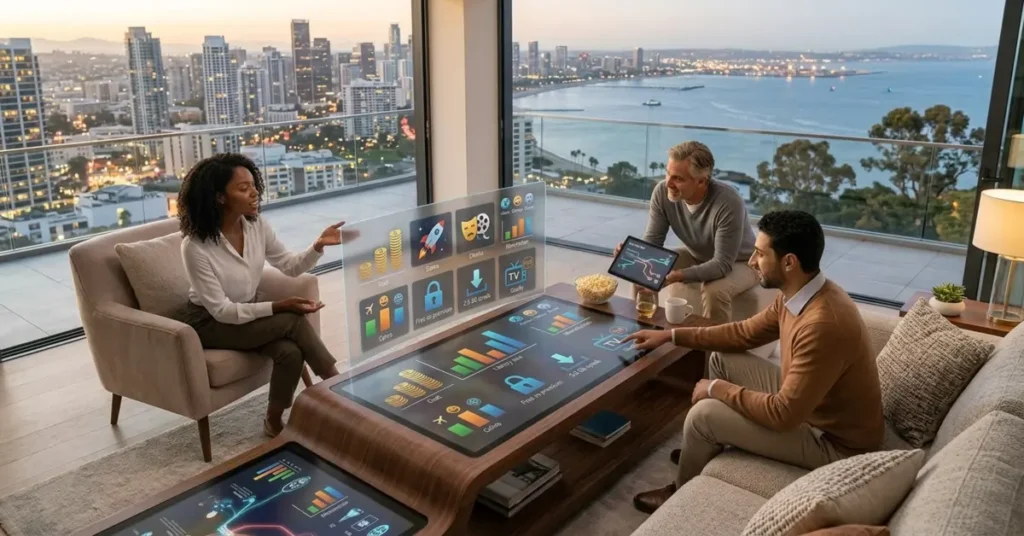
With so many streaming platforms available today, choosing the right one can feel confusing. The good news is that there isn’t a single “best” service for everyone. The right choice depends on what you like to watch, how often you stream, and whether you’re willing to pay for a subscription.
If you want to save money, a free streaming service is a great place to start. Platforms like Tubi, Pluto TV, The Roku Channel, Plex, and Xumo Play offer thousands of movies and TV shows at no cost. You may see a few ads while watching, but you won’t have to pay a monthly fee.
This makes them a smart choice for students, families, and anyone looking to cut entertainment costs. Think about the type of content you enjoy. If you mostly watch movies, choose a service with a large movie library. If you enjoy live news, sports, or TV channels, look for a platform that includes live streaming.
Some services focus on family-friendly content, while others have more documentaries, classic films, or independent movies. Picking a service that matches your interests will help you get the most value. It’s also important to check which devices the streaming service supports.
Most people watch content on more than one device. You might watch a movie on your Smart TV at home and finish it later on your phone or tablet. The best streaming platforms work smoothly across different devices, making it easy to watch wherever you are.
Finally, don’t be afraid to use more than one free streaming service. Since they don’t charge subscription fees, you can install several apps and switch between them whenever you want. This gives you access to a much larger collection of movies and TV shows without increasing your monthly expenses.
Conclusion: Crackle Pricing
Crackle Pricing was one of the biggest reasons the platform became so popular. Instead of charging a monthly subscription, Crackle let people watch movies and TV shows for free. The service earned money by showing a few short ads during videos. This simple idea helped millions of people enjoy entertainment without adding another monthly bill.
Although Crackle is no longer available, its business model continues to shape the streaming industry. Many of today’s most popular free streaming platforms use the same approach. Services like Tubi, Pluto TV, The Roku Channel, Plex, and Xumo Play all give users free access to movies and TV shows while earning money through advertisements.
If you’re looking for an affordable way to enjoy entertainment, free streaming services are still an excellent option. They offer a wide variety of content, including movies, TV shows, documentaries, live news, sports, and family programming. While you’ll see a few commercials during playback, you won’t have to worry about monthly subscription fees. The best streaming service is the one that fits your needs.
If you enjoy blockbuster movies, classic TV shows, live channels, or documentaries, there’s a free platform that’s right for you. Many people even combine several free services to enjoy a larger content library without spending extra money. As streaming continues to grow, viewers have more choices than ever before.
Whether you’re replacing Crackle or simply looking for a new way to watch free entertainment, today’s streaming platforms offer plenty of high-quality options. Try a few of them and see which one becomes your favorite.
Want to learn more about streaming platforms, digital tools, and the latest technology trends? Visit Search Engine Insight for more helpful guides, expert reviews, and easy-to-follow tutorials.
Frequently Asked Questions (FAQs)
Q: Was Crackle completely free?
Yes. Crackle was completely free to use. Users did not have to pay a monthly subscription fee. The platform earned money by showing advertisements before and during movies and TV shows.
Q: Did Crackle ever have a premium subscription?
No. Crackle never offered a premium membership or an ad-free plan. Every user had access to the same free version of the service.
Q: Why did Crackle show ads?
Advertisements helped Crackle pay for movie licenses, technology, customer support, and other business costs. This allowed the platform to stay free for its users.
Q: What is the best alternative to Crackle?
Tubi is one of the best Crackle alternatives because it has a large collection of free movies and TV shows. Other great options include Pluto TV, The Roku Channel, Plex, and Xumo Play.
Q: Are free streaming services safe and legal?
Yes. Trusted platforms like Tubi, Pluto TV, Plex, The Roku Channel, and Xumo Play are legal streaming services. They have the proper rights to stream their content and make money through advertising instead of subscription fees.