Google AI Overviews Optimization Checklist: 15 Steps to Get Cited (2027)
This Google AI Overviews optimization checklist gives you 15 practical steps for how to get cited in AI Overviews. AI Overviews now appear above regular search results for many queries, and the websites they cite get valuable visibility and clicks.
In this guide, you will learn what AI Overviews are, how Google picks which sites to cite, and the exact checklist to make your pages citation-worthy. Work through the steps in order, and you will give your content its best shot at appearing in AI answers.
What Are Google AI Overviews?
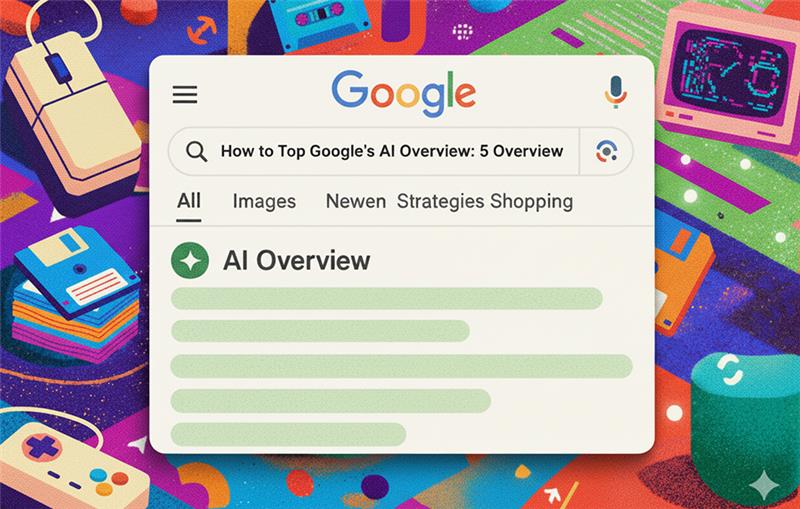
Google AI Overviews are AI-generated summaries that appear at the top of Google’s search results for many questions. Instead of just listing links, Google writes a direct answer using information from multiple websites, then links to those sources.
Explained in Plain English
Imagine you ask a friend a question and they answer in their own words, then hand you three books they learned it from. That is what an AI Overview does. Google reads several pages, writes a summary answer, and shows clickable citations to the source pages.
For website owners, those citations are the prize. Being cited puts your brand in front of searchers before they even scroll to the regular results.
Where AI Overviews Appear
AI Overviews show up most often for informational questions: how-tos, definitions, comparisons, and advice queries. They appear less for simple navigational searches, like when someone types a brand name. Google continues to expand them to more query types and more countries.
How AI Overviews Differ From Featured Snippets
Featured snippets pull a single chunk of text from one page. AI Overviews synthesize information from several pages into a new summary. In a featured snippet vs AI Overviews comparison, the key difference is simple: a featured snippet has one winner. An AI Overview can cite many sources, which means more pages have a chance to be included.
Why AI Overviews Matter for Your Traffic
AI answers change how people use search. Understanding the shift helps you adapt instead of fearing it.
They Sit Above Everything Else
An AI Overview occupies the very top of the results page. Searchers see it before ads, before featured snippets, before the classic blue links. Visibility there is the most prominent placement Google offers.
Citations Still Drive Clicks
Some site owners worry that AI answers will end all clicks. In practice, many searchers click the cited sources to learn more, verify claims, or take the next step. An AI Overview citation can send motivated visitors who already trust your brand because Google referenced it.
They Reward Clear, Helpful Content
The pages that get cited tend to share traits: direct answers, clear structure, credible authorship, and fresh information. These are the same traits that rank well in classic search. Good AI Overviews SEO mostly means doing good SEO more deliberately.
How Google Chooses What to Cite

Google has not published a separate ranking formula for AI Overviews, but patterns are clear from observation. The cited pages are usually pages that already rank well or demonstrate strong topical relevance.
Relevance Comes First
The AI needs content that directly answers the question. Pages that address the query head-on, with matching headings and focused sections, get cited more often than rambling pages that mention the topic in passing.
Clarity Beats Cleverness
AI systems extract information more reliably from clear, simple writing. Short sentences, defined terms, and logical heading structure make your content easy to parse and quote. Dense jargon and meandering intros make it harder.
Trust Signals Matter
Pages with visible authorship, credible sources, and a trustworthy site behind them get cited more. This is E-E-A-T for AI search in action: experience, expertise, authoritativeness, and trustworthiness. AI answers carry reputational risk for Google, so the system favors sources it can trust.
Freshness Counts for Changing Topics
For topics that evolve, like SEO tactics or product recommendations, recent and updated content wins citations. A 2027-dated guide beats a 2021 article saying the same things. Keep your important pages current.
Google AI Overviews Optimization Checklist: The 15 Steps
Here is the full checklist. Work through it for every important page you want cited. Each step is small on its own, but together they make your content dramatically easier for AI systems to understand, trust, and cite.
How to Use This Checklist
Treat this as a per-page audit to optimize content for AI Overviews. Open one of your key articles and go step by step. Check off each item, fix what is missing, and republish. Then move to the next page. Start with the pages that already get search traffic, since Google already trusts them enough to rank.
Steps 1-4: Structure Your Content for AI Extraction
- Put a direct answer in the first 100 words. Start the article with a clear, concise answer to the main question. AI systems heavily favor content that answers upfront instead of burying the answer after 500 words of introduction.
- Use descriptive H2 and H3 headings. Each heading should read like a question or a clear topic label. Headings act as signposts that help AI systems map your content to specific sub-questions.
- Keep paragraphs short and focused. One idea per paragraph, two to four lines each. Short paragraphs are easier to extract as clean citation chunks than walls of text.
- Use lists and tables for structured facts. Steps, ingredients, pros and cons, and comparisons belong in numbered lists, bullets, or tables. Structured formats are the easiest content for AI to quote accurately.
Steps 5-7: Strengthen E-E-A-T Signals
- Show real authorship. Put the author’s name on the article with a short bio explaining their experience. Anonymous content is harder to trust, and AI citations favor identifiable experts.
- Add first-hand experience. Include original photos, personal test results, case details, or quotes from your own work. Content that demonstrates real experience stands out from generic rewrites and gets cited more.
- Cite credible sources. Link to official documentation, research, and respected publications where relevant. Sourcing your claims the way a good journalist would makes your page a safer citation choice.
Steps 8-10: Make Key Facts Easy to Find
- Define terms clearly. When you introduce an important term, give a one-sentence plain-English definition. Definition-style sentences are among the most commonly cited content types in AI answers.
- Answer related questions on the same page. Add a FAQ section covering the follow-up questions searchers ask. Each FAQ pair is a self-contained answer unit that AI systems love to cite.
- Include a concise summary or takeaway box. A short “key takeaways” section near the top or bottom gives AI systems a ready-made summary of your page’s main points.
Steps 11-13: Handle the Technical Side
- Add FAQPage and Article schema. Structured data helps Google understand your content’s structure. Mark up your FAQs with FAQPage schema and your article with Article schema, including author and date information. FAQPage schema is one of the simplest technical wins for AI Overview citations.
- Keep the page fast and mobile-friendly. AI Overviews cite pages that offer a good user experience. A slow or broken mobile page is less likely to be recommended, even with great content.
- Update the publish date when you refresh content. When you meaningfully update an article, refresh its date. Fresh dates signal current information, which matters for topics that change.
Steps 14-15: Build Authority Around the Topic
- Build topical depth with supporting articles. One great article surrounded by related supporting content signals genuine expertise and builds topical authority. Internal links between them help Google see the full picture of your authority.
- Earn mentions and links from trusted sites. Citations flow toward pages the web already trusts. Backlinks from respected sites in your niche reinforce the trust signals that AI citation systems look for.
Common Mistakes That Keep You Out of AI Overviews
Burying the answer. If readers must scroll through 800 words to find the answer, AI systems may pick a competitor that answers in the first paragraph.
Writing thin content. A 300-word page rarely contains enough substance to be worth citing. Depth gives AI systems more material to work with.
Hiding behind anonymity. Pages with no author, no about page, and no contact information look untrustworthy. AI systems avoid citing what they cannot verify.
Letting content go stale. An outdated guide with old screenshots and expired advice loses citations to fresher competitors. Schedule regular updates.
Keyword stuffing. Repeating the same phrase unnaturally makes content harder to read and less trustworthy. Write naturally.
Ignoring schema markup. Without structured data, you make Google work harder to understand your page. FAQPage and Article schema are easy wins.
Blocking AI-relevant content behind logins. If Google’s crawlers cannot see the content, it cannot be cited. Keep citation-worthy content publicly accessible.
Expert Tips for AI Search Visibility

Target question-based keywords. Queries phrased as questions trigger AI Overviews most often. Build content around the exact questions your audience asks.
Study the current AI answer. Search your target keyword and read the AI Overview. Note which sources get cited and what content format they use. Then make your page better in those exact dimensions.
Write quotable sentences. Craft a few crisp, self-contained sentences per article that state key facts plainly. These are the sentences most likely to be lifted into AI answers.
Cover the topic completely. Comprehensive pages get cited for more sub-questions. A page that answers the main question plus five follow-ups has six chances at citation.
Refresh your winners first. Pages already ranking on page one are closest to citation. Run the checklist on them before creating new content.
Do not chase every query. Focus on informational queries where you have genuine expertise. Thin attempts across hundreds of keywords dilute your authority.
Track citations manually. There is no Search Console report for AI Overview citations yet. Periodically search your key queries in an incognito window and note where you appear. That manual check is still the best way to track AI search visibility.
Real-World Examples
Example 1: A Cooking Blog
A food blogger rewrote her most popular recipe post using this checklist. She added a direct answer summary at the top, converted her tips into a numbered list, and added FAQ schema for common substitutions. Within two months, her page started appearing as a cited source in AI Overviews for recipe variation queries, and her traffic from those queries grew.
Example 2: A B2B Software Company
A SaaS company created a detailed comparison guide for tools in its category. They structured every comparison as a table, defined each term plainly, and included an expert author bio with credentials. The guide became a frequent citation in AI Overviews for “best tools for X” queries, bringing a steady stream of high-intent visitors.
Example 3: A Local Service Business
A plumbing company added FAQ sections to its service pages, answering the exact questions customers asked on the phone. Questions like “how much does drain cleaning cost” and “how long does it take” got direct, honest answers. Their pages began appearing in AI Overviews for local service queries, ahead of competitors with thinner pages.
AI Overviews in 2027: What Changed

AI Overviews have matured significantly since their broad launch. They now appear for more query types, in more countries, and with richer citation formats. Google keeps refining which sources get cited, with a visible tilt toward pages demonstrating first-hand experience.
The AI search optimization playbook has stayed remarkably stable. Google’s public guidance still centers on creating helpful, reliable, people-first content. There is no special “AI Overview markup” to add beyond standard schema. The checklist in this guide reflects that reality: it is disciplined SEO, not a secret trick.
One meaningful shift is competition. As more publishers optimize for AI citations, the bar rises. Pages that won citations in 2024 with decent content now compete against pages built specifically for citability. Running this checklist is becoming table stakes rather than an edge.
Important Things to Consider
Being cited in an AI Overview is valuable, but it is not guaranteed and not fully in your control. Google’s AI decides what to cite based on its own systems. Your job is to make your pages the best possible candidates, then let the system decide.
Do not sacrifice readability for machines. Every step in this checklist also makes your content better for human readers. If a tactic would make the page worse for people, skip it. Human-first content wins in both classic search and AI answers.
Also keep perspective on traffic. AI Overviews change click patterns, and some queries will send fewer clicks than before. The right response is to be cited as often as possible while building direct traffic channels, like email lists and loyal audiences, that do not depend on any single search feature.
Finally, stay updated. AI search features evolve quickly. Follow Google’s Search Central blog for official announcements, and re-audit your key pages against this checklist twice a year.
Find useful perspectives on building brand authority, improving content relevance, and attracting the right visitors through Search Engine Insight.
Frequently Asked Questions
What are Google AI Overviews?
AI Overviews are AI-generated summaries that appear at the top of Google search results for many queries. Google writes a direct answer using information from multiple websites and includes clickable citations to those source pages.
How do I get my website cited in Google AI Overviews?
Create clear, comprehensive content that directly answers questions, structure it with descriptive headings and lists, demonstrate real expertise with authorship, keep it fresh, and add FAQPage and Article schema. Pages that already rank well have the best shot at citation.
Is there special markup required for AI Overviews?
No. Google has not introduced markup specific to AI Overviews. Standard best practices apply: use Article schema for your content and FAQPage schema for your FAQs. The bigger factors are content clarity, relevance, and trustworthiness.
Do AI Overviews hurt website traffic?
They change traffic patterns for some queries, since searchers may get answers without clicking. However, cited sources still receive clicks from searchers who want more detail. Being cited is far better than being absent from the AI answer entirely.
Can new websites appear in AI Overviews?
Yes, though it is harder. AI citation systems favor trustworthy sources, which new sites must build over time. New sites should focus on specific questions, demonstrate real experience, and build topical authority steadily.
How is optimizing for AI Overviews different from regular SEO?
It largely overlaps. The differences are emphasis: even clearer structure, direct answers up front, quotable sentences, comprehensive FAQ sections, and stronger E-E-A-T signals. Think of it as SEO with extra attention to machine readability.
Should I block Google from using my content in AI Overviews?
Google offers controls for opting out of certain AI features, but opting out also removes you from the visibility and traffic that citations bring. Most publishers benefit more from being cited than from hiding. Consider your own strategy carefully.
How long does it take to start appearing in AI Overviews?
There is no fixed timeline. Pages that already rank well can be cited within weeks of optimization. New pages need to earn rankings and trust first, which typically takes months. Track your target queries manually to spot progress.
Do backlinks help with AI Overview citations?
Indirectly, yes. Backlinks build the domain authority and trust that make your pages safer citation choices. The AI systems favor sources the web already trusts, and backlinks remain a strong trust signal.
What content formats get cited most in AI Overviews?
Clear definitions, step-by-step instructions, comparison tables, FAQ answers, and concise summaries get cited most often. These formats give AI systems clean, quotable chunks of information that map directly to searcher questions.
Should I rewrite old content for AI Overviews?
Yes, starting with your highest-traffic pages. Add direct answers up front, break content into clear sections, add FAQ schema, refresh outdated information, and strengthen authorship signals. Updated pages often gain citations faster than brand-new ones.
How do I track my AI Overview visibility?
There is no official Search Console report for AI Overview citations yet. Track manually by searching your target keywords in an incognito browser window and noting when your site appears as a cited source. Repeat monthly to spot trends.
Conclusion: Google AI Overviews Optimization Checklist
This Google AI Overviews optimization checklist gives you a clear path to AI search visibility. Start with direct answers and clean structure, strengthen your E-E-A-T signals, handle the technical basics like schema, and build topical authority over time.
The good news is that nothing here conflicts with classic SEO. Every step makes your content better for human readers too. Pages built for citability rank better, convert better, and earn more trust.
If you want to learn how to rank in AI Overviews, start practically: pick your five most important pages and run them through the 15 steps this week. Then make the checklist part of your publishing process for every new article. AI search is not replacing SEO. It is rewarding the publishers who do SEO most carefully.