
What is XResolver and Its Alternatives You Should Know
In online gaming, privacy and security are increasingly becoming concerns for players worldwide. With many gamers connecting on platforms like Xbox, PlayStation, and PC, the risk of exposing sensitive personal information is always present. One tool that has raised eyebrows for its role in IP address tracking is XResolver.
But what exactly is XResolver? How does it work, and more importantly, how can gamers protect themselves from its potential risks? In this blog, we’ll explore what XResolver is, how it works, why it’s controversial, and most importantly, what you can do to protect your privacy. We’ll also explore alternatives to XResolver that can help you maintain your online security.
Table of Contents
What Is XResolver?
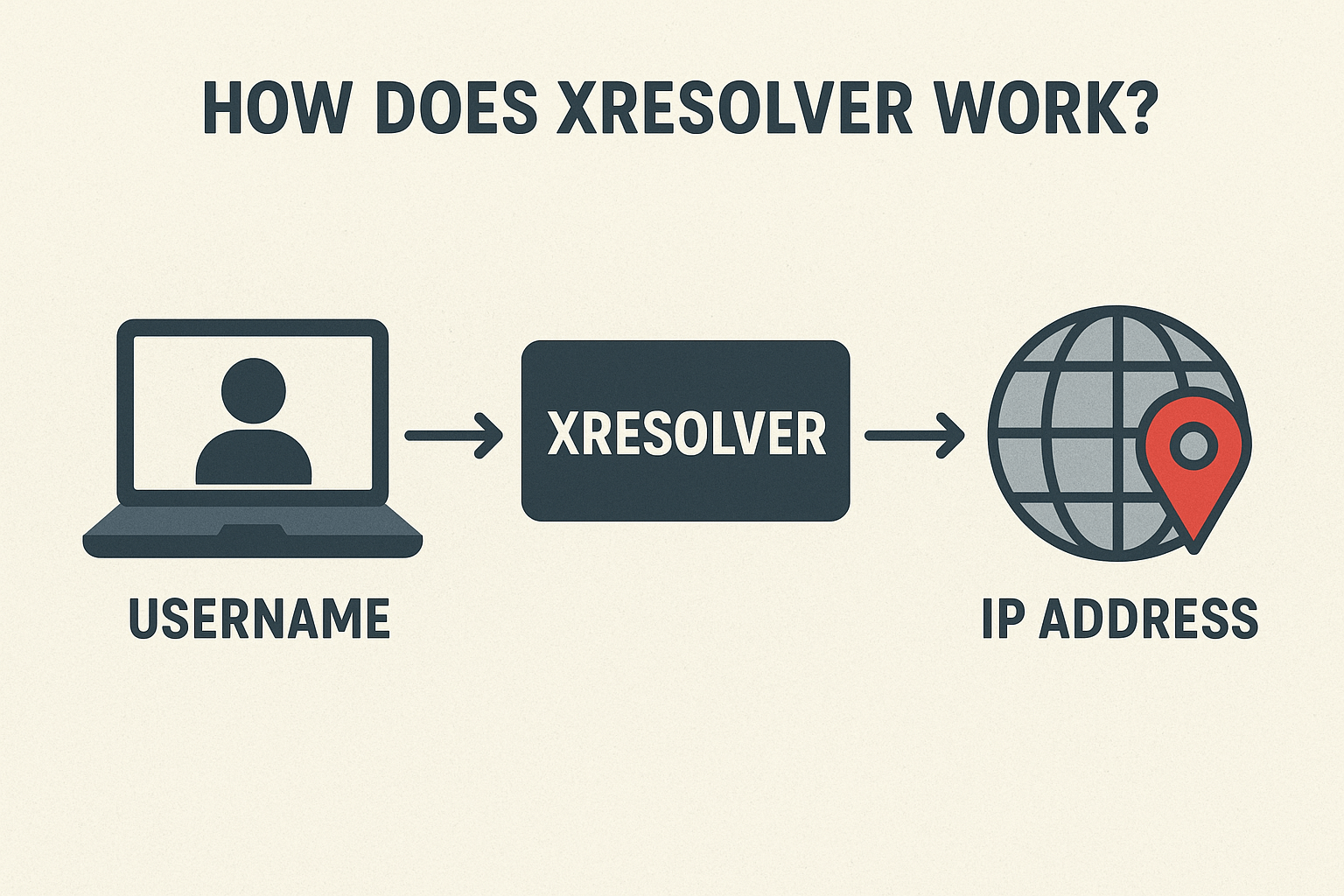
At its core, XResolver is a web-based tool that enables users to associate gamertags (usernames in online games) with IP addresses. This means that when you enter a gamer’s tag into XResolver, it attempts to find their associated IP address. But why would someone want to do this?
While there are legitimate uses for linking IPs to gamertags such as troubleshooting server connections or analyzing network performance the tool has become controversial because it’s often used for more malicious purposes. DDoS attacks (Distributed Denial of Service), swatting, and harassment are some of the risks associated with exposing personal information through IP address resolution.
How Does XResolver Work?
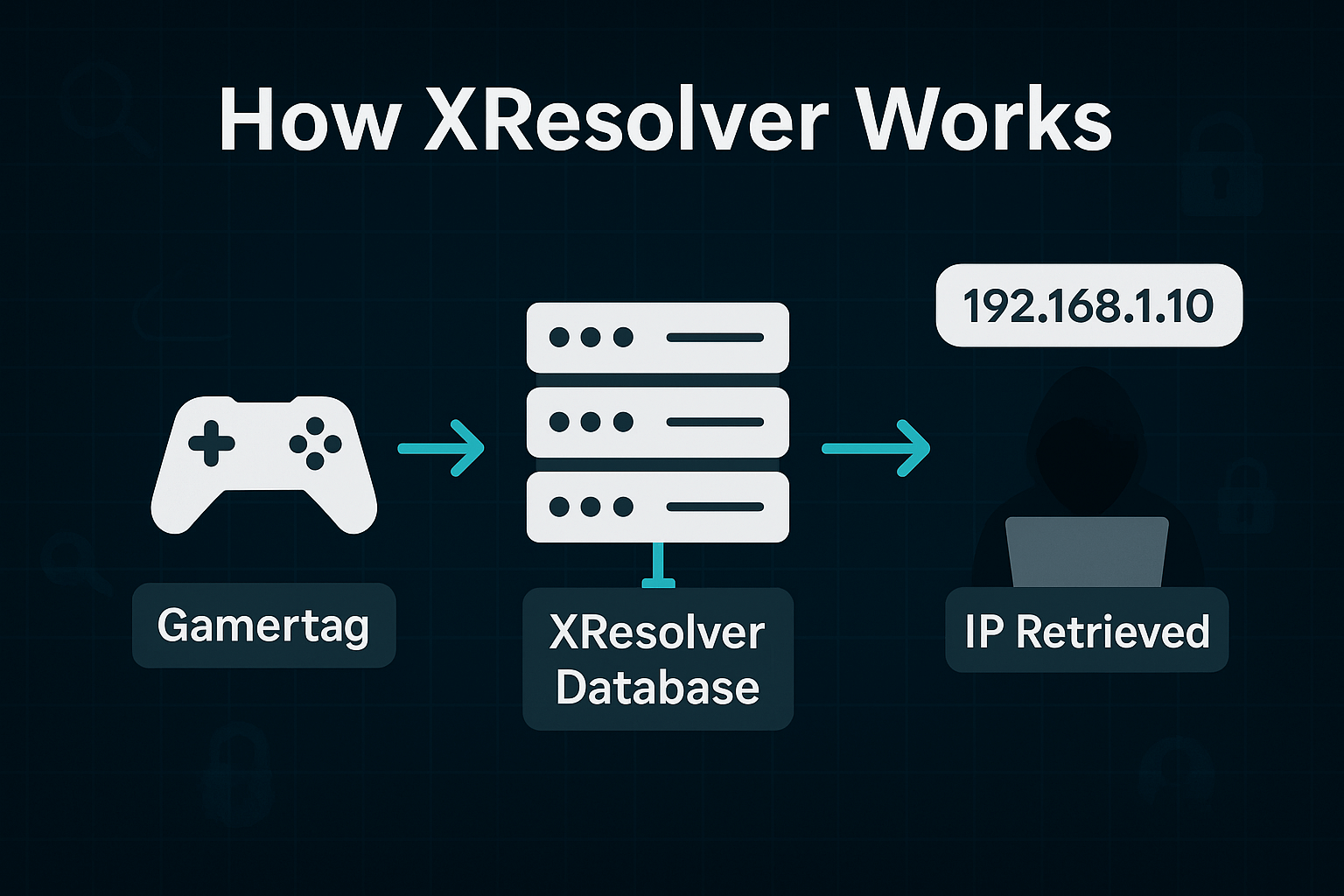
To understand how XResolver functions, let’s break down the technical side of things:
1. Gathering Data
XResolver works by collecting IP address data associated with usernames. This data is often collected through packet sniffing, which involves intercepting internet traffic between players during online gaming sessions. Tools like OctoSniff are used to pull IP addresses from online connections.
2. Database of IPs and Gamertags
XResolver maintains an extensive database that links these gamertags to IP addresses. Users can search the database by entering a gamertag, and if the IP address is listed, it will be displayed.
3. Reverse Lookup
In addition to resolving gamertags to IP addresses, XResolver also enables reverse lookups, allowing users to enter an IP address to find the associated gamertag. This opens up the potential for privacy violations, especially if an individual’s IP address is linked to their online presence without their consent.
4. Geolocation
XResolver can also provide geolocation information associated with the IP addresses. This means that, in some cases, you could not only find out someone’s location but also track their activities within a game.
While this tool is marketed as a way to look up IP addresses and solve technical issues, it has drawn concern from gamers, mainly due to its potential misuse for harassment or more aggressive forms of online attacks.
Why Is XResolver Controversial?
The primary reason XResolver has sparked controversy is that it raises serious concerns regarding privacy and safety. Here are some of the issues:
1. Exposing Personal Information
By linking a gamertag to an IP address, XResolver can potentially expose players to various threats. DDoS attacks, for example, are one way a malicious player could target someone’s connection, causing significant disruption or even shutting down their internet access.
2. Swatting
Swatting refers to a dangerous and malicious act in which someone calls emergency services (police, SWAT) to a person’s address under pretenses. Gamers who have been targeted by others using XResolver have reported instances of swatting, which is a hazardous form of harassment.
3. Harassment and Cyberbullying
Exposing personal IP addresses online can lead to online harassment. Gamers who find themselves the subject of aggressive players might suffer from targeted trolling, constant attacks, and even identity theft. This can have long-lasting psychological impacts.
4. Ethical Concerns
Many believe that the use of tools like XResolver crosses ethical boundaries. While the tool itself isn’t illegal, its ability to collect and distribute personal information without the subject’s consent puts it in a gray area where privacy is compromised for the sake of convenience.
Is XResolver Legal?
XResolver operates in a legal gray area. While it doesn’t directly engage in hacking, it relies on information gathered from third-party sources, such as packet sniffers. The legality of these actions can vary by country and region.
In many jurisdictions, collecting and sharing IP addresses without consent can be a violation of privacy laws. While XResolver itself may not directly violate any laws, its use for malicious intent (such as launching DDoS attacks or swatting) is illegal.
For anyone using XResolver for legitimate purposes (e.g., network troubleshooting), it is crucial to be aware of how the tool might be used maliciously and take steps to ensure your actions align with ethical standards.
How to Protect Yourself from XResolver and Similar Tools
Suppose you’re concerned about your privacy while gaming. In that case, there are several ways to protect yourself from the potential risks posed by XResolver and similar tools:
1. Use a VPN (Virtual Private Network)
A VPN masks your IP address and encrypts your internet connection. By using a VPN, your actual IP address remains hidden, making it significantly more difficult for tools like XResolver to track your online activity.
2. Change Your IP Address
If you’ve already been exposed through XResolver, one of the easiest ways to protect your privacy is to change your IP address. If you have a dynamic IP (one that changes periodically), you may need to restart your router to get a new one. For those with static IPs, contacting your Internet Service Provider (ISP) to request a change is another option.
3. Limit Exposure by Changing Gamertags
Some gamers who XResolver has targeted frequently change their gamertags. This can help reduce the likelihood of being traced by malicious users; however, it’s essential to remember that this isn’t a foolproof solution.
4. Don’t Share Personal Information Publicly
Avoid sharing personal information, such as your real name, location, or other identifiable details, in online games. The less information you make available, the harder it will be for someone to track you down.
5. Enable Two-Factor Authentication (2FA)
Two-factor authentication (2FA) adds an extra layer of security to your gaming accounts. By enabling 2FA, you make it more difficult for someone to hack into your account, even if they know your password.
Alternatives to XResolver for Online Privacy
If you’re looking to maintain online privacy while still troubleshooting network issues, here are five alternatives to XResolver that prioritize user protection and security. These alternatives not only facilitate network analysis but also ensure that your personal information is protected from misuse.
1. Wireshark
Wireshark is a powerful and widely used network protocol analyzer. While network engineers and IT professionals primarily use it, Wireshark can also be utilized by gamers to monitor and analyze their own network traffic securely.
How it helps:
- Wireshark offers in-depth insights into network traffic, enabling the identification and resolution of issues related to lag, disconnections, and other network problems.
- Unlike XResolver, it doesn’t focus on linking gamertags to IP addresses but instead on understanding the network itself.
- You can ensure your personal information remains safe because Wireshark focuses on packet analysis for troubleshooting purposes.
Pros:
- Free and open-source
- Comprehensive network analysis
- Customizable filters for specific traffic monitoring
Cons:
- Requires some technical knowledge to use effectively
- Not designed to protect personal privacy actively (like VPNs)
For more details, visit: Wireshark
2. NordVPN
A VPN (Virtual Private Network) is one of the most effective tools for protecting your privacy while gaming. NordVPN is one of the top VPN services, offering robust encryption and an array of privacy features.
How it helps:
- By using NordVPN, your IP address is hidden, and all your internet traffic is encrypted, which makes it nearly impossible for tools like XResolver to track you or link it to a gamertag.
- It has servers in over 60 countries, allowing you to choose your virtual location and further enhance your privacy.
Pros:
- Top-tier encryption and security protocols
- Access to servers worldwide to mask your location
- Fast connection speeds suitable for gaming
Cons:
- Paid service (though affordable, with regular promotions)
- Can cause slight latency depending on server distance
For more details, visit NordVPN.
3. ExpressVPN
Like NordVPN, ExpressVPN is another top-rated VPN service that ensures your privacy is protected while gaming. It provides high-speed servers and military-grade encryption to keep your data safe from any potential threats.
How it helps:
- With ExpressVPN, your online activity becomes virtually impossible to track, including any gaming sessions you conduct.
- ExpressVPN offers a kill switch feature, which disconnects your internet if the VPN connection drops unexpectedly, ensuring your privacy is never compromised.
Pros:
- Fast speeds ideal for gaming
- Easy-to-use and intuitive interface
- 24/7 customer support
Cons:
- Slightly more expensive than some alternatives
- No free version (but a 30-day money-back guarantee)
For more details, visit: ExpressVPN
4. Tor (The Onion Router)
Tor is a free, open-source software that helps users stay anonymous online by routing traffic through multiple layers of encryption. Unlike traditional browsing, Tor keeps users’ information safe by masking their location and IP address.
How it helps:
- By using Tor, your online activity becomes virtually impossible to track, including any gaming sessions you conduct.
- Tor routes internet traffic through a network of relays, which makes it incredibly difficult for anyone, including XResolver, to trace your actions or associate them with your IP address.
Pros:
- Completely free to use
- Provides strong anonymity
- Protects user privacy for any online activity, not just gaming
Cons:
- Slower connection speeds compared to regular VPNs (due to multiple relays)
- May not be as user-friendly for non-technical individuals
For more details, visit: Tor Project.
5. CyberGhost VPN
Another effective VPN service is CyberGhost VPN, which prioritizes privacy protection and enables users to connect to a secure network that conceals their actual IP address. CyberGhost also specializes in making online activity safer, particularly in gaming scenarios.
How it helps:
- CyberGhost VPN encrypts your internet connection, hiding your real IP address and securing your online activity from malicious users or IP tracking tools like XResolver.
- The service features dedicated gaming servers to minimize impact on gaming performance.
Pros:
- Affordable subscription plans
- Specialized servers for gaming and streaming
- Strict no-logs policy
Cons:
- Some server locations might have slower speeds
- The user interface may take a little getting used to for beginners
For more details, visit: CyberGhost VPN.
Conclusion:
XResolver has become a tool that raises serious privacy and security concerns within the gaming community. While it can be used for legitimate purposes, like network troubleshooting, its potential for misuse makes it a tool that many gamers are wary of.
To protect your privacy, consider using alternatives such as Wireshark for network analysis, VPNs like NordVPN, ExpressVPN, or CyberGhost VPN for masking your IP address, or Tor for complete anonymity. These alternatives not only help keep your gaming activity private but also ensure that your personal information stays safe from malicious users and tools like XResolver.
FAQs About XResolver:
In Instagram DMs, “RS” usually means “Reply Soon” — it’s a quick way of asking someone to respond without typing it out in full.
Yes, if your gamertag is exposed and linked to your IP address, you could potentially be targeted for harassment or other malicious actions.
XResolver offers an option to remove your data; however, this process may not always be reliable. To ensure your data is completely removed, consider using a VPN and changing your IP address.