Zero Click Searches SEO Strategy: Win Visibility Without the Click (2027)
A zero click searches SEO strategy is no longer optional — it is essential. More and more searches end without a single click. Google answers the question right on the results page, through featured snippets, knowledge panels, and AI Overviews. Your content can be the source of that answer, or it can be invisible.
This guide to zero click search optimization explains what zero-click searches are, why they keep growing, and the exact strategy to win brand visibility from them. You will learn how to earn featured snippets, get cited in AI answers, and measure success when traffic is not the goal.
What Are Zero-Click Searches?
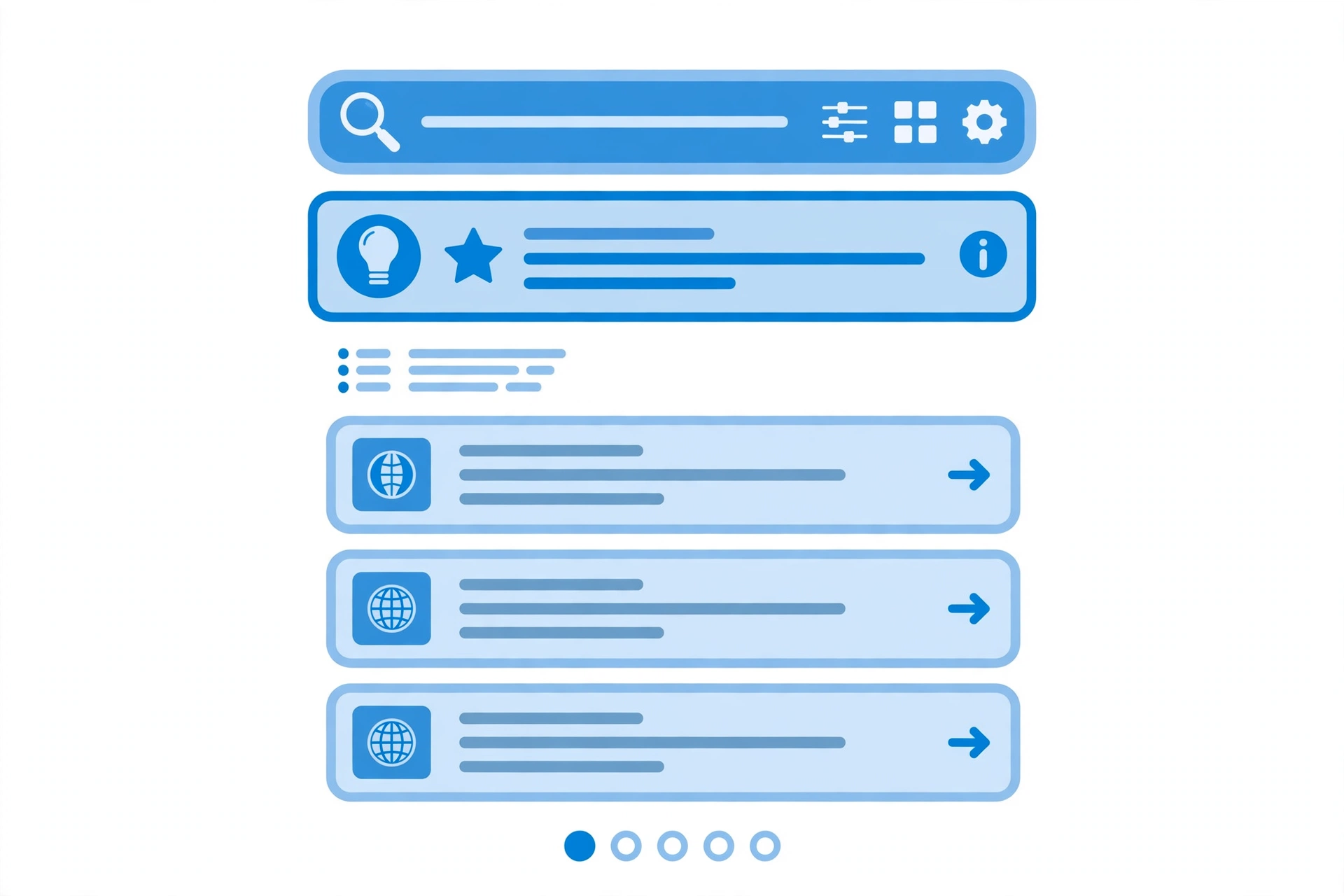
A zero-click search is a search that ends without the user clicking any result. Google shows the answer directly: a featured snippet at the top, a knowledge panel on the side, a calculator, a map, or now an AI-generated overview. The searcher gets what they need and leaves.
Think of searches like “what time is it in Tokyo” or “how many ounces in a cup.” Google answers these instantly. No click needed. But zero-click results now cover far more than trivia — they include definitions, steps, comparisons, and product information.
The Main Types of Zero-Click Results
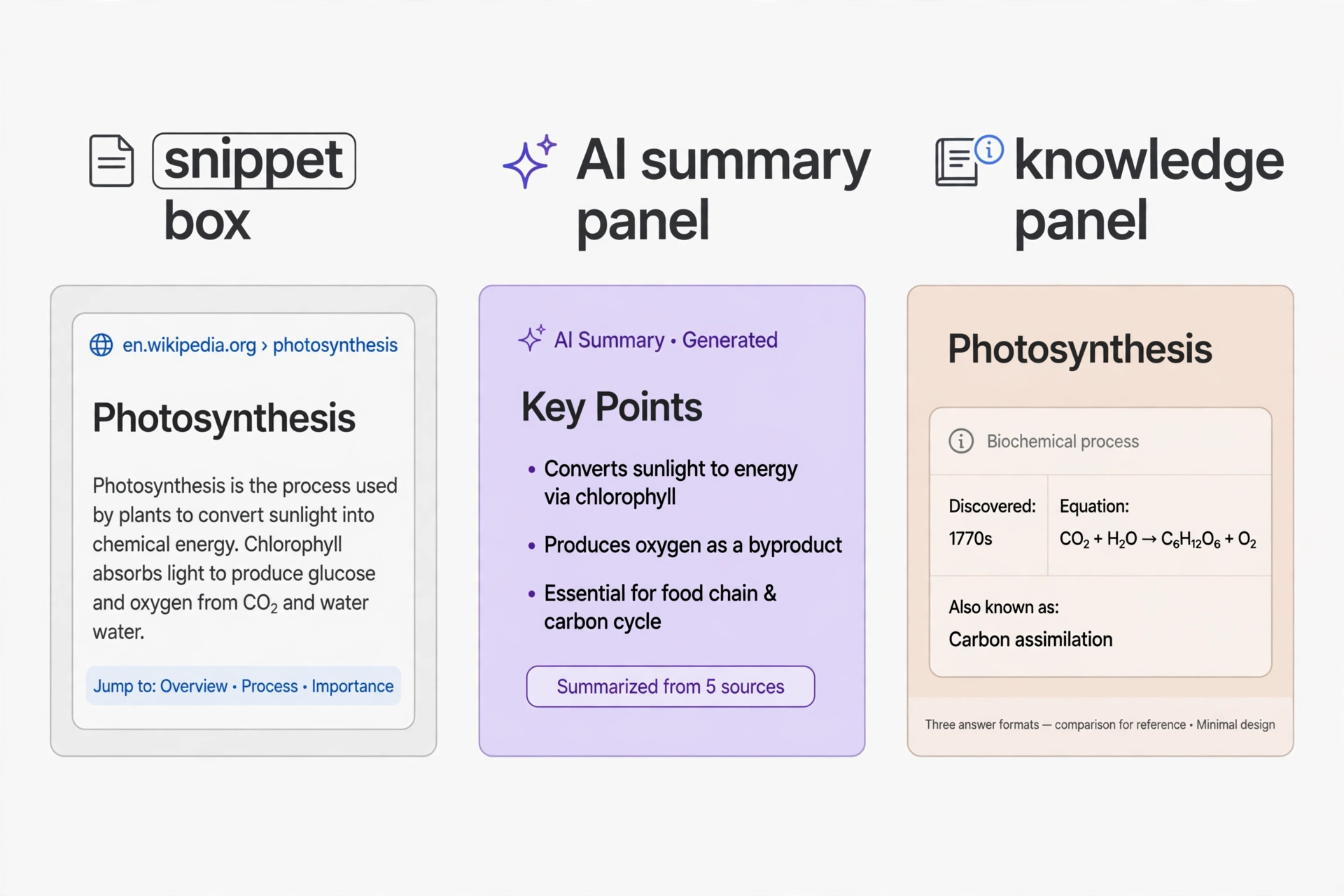
Featured snippets are the boxed answers at the top of results, pulled from a ranking page. Knowledge panels show facts about entities like companies, people, and places. AI Overviews are Google’s AI-generated summaries with cited sources. Instant answers include calculators, conversions, and weather.
Each type works differently, but they share one trait: Google picks a source. Your zero-click strategy is about becoming that picked source as often as possible.
Why a Zero Click Searches SEO Strategy Matters for Your Site
If your content answers questions Google can display directly, you face a choice. You can ignore zero-click results and watch impressions rise while clicks stay flat. Or you can optimize for them deliberately and turn that visibility into brand awareness, trust, and cited authority.
Visibility without clicks still has value. Searchers see your brand name. They may remember you later. And being the cited source in AI answers positions you as the authority in your niche.
Why Zero-Click Searches Keep Growing
Two forces drive the trend. First, Google keeps adding answer formats. Every new feature — from featured snippets years ago to AI Overviews today — resolves more queries on the results page itself.
Second, search behavior changed. Many searches happen on phones, where scrolling past an answer box feels like extra work. Voice assistants also favor direct answers. The result: a large share of searches now end at the answer.
Mobile and Voice Accelerate the Trend
On a small screen, the answer box dominates. Many mobile searchers never scroll past it. Voice search goes further — a smart speaker reads one answer aloud, and there is no click at all.
If your audience skews mobile, zero-click optimization matters even more. Your content needs to be the answer Google speaks, not just the tenth blue link.
AI Overviews Changed the Game
AI Overviews optimization starts here: AI Overviews summarize answers from multiple sources and display them above traditional results. They cite their sources with links, but many users read the summary and move on. This expanded zero-click behavior to complex queries that used to require clicks.
The opportunity: cited sources get brand exposure in front of huge audiences. The challenge: earning those citations requires content that AI systems trust and understand.
How Zero-Click Search Results Work
Google selects zero-click content from pages that already rank well and answer clearly. Featured snippets usually come from pages ranking in the top ten. AI Overviews cite sources across the web, favoring clear, well-structured, authoritative content.
Clarity wins. Google’s systems extract answers from your page. If your answer is buried in a long paragraph, it is harder to extract than a crisp 50-word definition under a clear heading. Structure is not just for readers — it is for machines.
What Google Looks For
For featured snippets, Google wants a direct answer that matches the query format: a paragraph for definitions, a list for steps, a table for comparisons. For AI citations, it wants trustworthy sources with clear expertise signals.
Authoritativeness matters more than ever. Content with named authors, real credentials, original data, and a history of accuracy gets picked. Anonymous thin content does not.
Zero Click Searches SEO Strategy: The 8-Step Playbook
This playbook turns zero-click search from a threat into an advantage. Work through the steps in order. Each one builds on the last.

Step 1: Find Your Zero-Click Opportunities
Start in Google Search Console. Look for queries where you get many impressions but few clicks. These are often zero-click queries — Google shows an answer box, and searchers never reach your page.
List your top 20 such queries. Note which ones already trigger featured snippets or AI Overviews. These are your targets. You already rank; now you need to win the answer box.
Step 2: Match the Answer Format
Search each target query and study the current answer format. Is it a paragraph, a numbered list, a table, or a bullet list? Your content must provide the answer in that same format to be eligible.
This is the most skipped step and the most important. A perfect paragraph answer will not win a list snippet. Format matching is half the battle.
Step 3: Write Extractable Answers
Place a direct, concise answer right under a clear question heading. Aim for 40 to 60 words for definitions. Use numbered steps for processes. Use tables for comparisons. Make the answer self-contained so it makes sense out of context.
Avoid burying the answer. If a reader must read 500 words to find it, Google’s extractor will struggle too. Lead with the answer, then expand with detail below.
Step 4: Structure Every Page for Machines and Humans
Use descriptive H2 and H3 headings phrased as questions where natural. Keep paragraphs short. Use lists, tables, and bold key terms. Add FAQ sections with direct answers.
This structure serves two masters. Readers can scan quickly. Google’s systems can parse and extract cleanly. Well-structured pages win more answer boxes than walls of text.
Step 5: Strengthen Your E-E-A-T Signals
Add author bylines with real credentials. Include an about page that establishes expertise. Cite reputable sources. Publish original research, case studies, or data where possible.
AI systems and Google’s quality systems both favor content that demonstrates experience and expertise. Anonymous, generic content rarely gets cited. Put real humans and real evidence behind your answers.
Step 6: Target Question-Based Keywords Deliberately
Build content around the questions your audience actually asks. People Also Ask SEO means mining “People also ask” boxes, community forums, and customer support tickets. Each well-answered question is a snippet opportunity.
Create dedicated FAQ pages and FAQ sections. One page can win multiple snippets if each question has a clear heading and a direct answer. This is efficient, compounding work.
Step 7: Optimize for AI Citations Specifically
AI Overviews and answer engines cite sources they trust. To get cited, publish clear, factual, well-structured content with original value. Use descriptive headings, define terms plainly, and keep information current.
Cover topics comprehensively but concisely. AI systems prefer sources that answer fully without fluff. Update important pages regularly — freshness signals matter for citation-worthiness.
Step 8: Track, Learn, and Expand
Monitor which queries trigger answer boxes for your pages. Note which formats you win and which you lose. Double down on winning formats and fix losing pages by adjusting structure and clarity.
Expand to adjacent questions once you win the first ones. Snippet wins cluster: a page that wins one question often wins related ones. Build topical depth and watch your answer-box footprint grow.
Winning Featured Snippets
Featured snippets reward the clearest answer on page one. You generally need to rank in the top ten first — snippets are pulled from ranking pages, not from nowhere. So basic SEO still comes first. See Google’s featured snippet guidance for how Google chooses which pages win snippets.
Once you rank, featured snippets SEO is about optimizing for extraction. Find the query’s current snippet format and mirror it. If the snippet is a list but your page has a paragraph, restructure. Small format changes often flip snippets within weeks.
The Four Snippet Formats
Paragraph snippets answer “what is” and definition queries. Write a 40–60 word definition directly under the question heading. List snippets cover steps and rankings — use numbered or bulleted lists. Table snippets handle comparisons — build a clean HTML table. Video snippets pull from YouTube — add chapters and clear titles.
Identify which format your target query uses, then give Google exactly that. Do not make it guess.
Stealing Snippets From Competitors
If a competitor holds the snippet, study their answer. Then write a better one: clearer, more current, better formatted. Match the format, improve the substance. Many snippets change hands when a better-structured answer appears.
Do not copy their wording. Write your own superior answer. Google rewards the best answer, and original phrasing keeps you safe.
Getting Cited in AI Overviews and AI Answers
AI citations work differently from snippets. AI systems synthesize answers from multiple sources and link to the ones they relied on. Being cited means your content shaped the answer — powerful brand exposure.
To earn citations, be quotable — this is the core of AI citations SEO. Write clear definitions, memorable frameworks, and original insights. AI systems lift concise, well-phrased passages. Vague, padded content never gets quoted.
Make Your Content Citation-Friendly
Use plain language and short sentences. Define key terms explicitly. Include original data, examples, or frameworks that only you provide. AI favors sources with something unique to say.
Keep content fresh. AI systems prefer current information, especially for fast-moving topics. Review and update your most-cited pages regularly. A 2027 date on current content beats a 2022 page with stale facts.
Build Topical Authority
AI systems cite sources they see as authoritative on a topic. Publishing one great article is not enough. Build clusters of interlinked content around your core topics. Depth signals expertise.
Cover a topic from every angle: definitions, guides, FAQs, comparisons, and case studies. When your site owns the topic comprehensively, AI systems keep finding reasons to cite you.
Measuring Success Without Clicks
Traditional SEO metrics undercount zero-click wins. If you only track clicks, a successful snippet strategy looks like a failure: impressions up, clicks flat. You need new measurements.
Track impression growth for target queries in Search Console. Track answer box SEO visibility — note when your brand appears in answer boxes. Track branded search volume: does it rise as your answer-box presence grows?
Metrics That Matter
- Answer-box visibility: How often your content appears in snippets or AI citations for target queries.
- Impression share: Total impressions on question-based queries, trending over time.
- Branded searches: Growth in searches for your brand name, a proxy for awareness.
- Assisted conversions: Do visitors who first encountered you via an answer box return later through branded search?
- Share of voice: Your visibility versus competitors across your topic’s question landscape.
Connecting Visibility to Business Value
Zero-click visibility is top-of-funnel marketing. It builds awareness and trust that convert later. Connect it to business value by tracking the full journey: answer-box exposure, then branded search, then direct visit, then conversion.
Set expectations with stakeholders. Zero-click SEO is a long game measured in visibility and authority, not immediate clicks. Report it as brand building with SEO precision.
Best Practices
Lead with the answer, always. Whether it is a snippet, an AI citation, or a human reader, the direct answer comes first and the detail follows. This single habit improves every zero-click metric.
Keep answers self-contained. An extracted snippet shows your words without your page around them. Make sure the answer makes sense on its own: include the subject, avoid “as mentioned above,” and define terms inline.
Update regularly. Answer boxes favor fresh, accurate content. Schedule quarterly reviews of your top snippet-winning pages. A small freshness update can defend a snippet for another year.
Write for the question, not the keyword. Zero-click queries are conversational: “how do I,” “what is the best way to.” Mirror that natural language in your headings. It helps both extraction and voice search.
Common Mistakes to Avoid
- Chasing snippets before ranking. You need page-one rankings first. Fix basic SEO before optimizing for answer boxes.
- Ignoring format. The wrong format never wins, no matter how good the content. Always match the current snippet format.
- Burying the answer. Long introductions before the answer kill extraction. Answer first, elaborate after.
- Writing thin answer pages. A 50-word page will not rank. You need a full, helpful article with an extractable answer inside it.
- Measuring only clicks. Zero-click success looks like failure in click-only reports. Track impressions and visibility too.
- Giving up too soon. Snippet wins often take weeks to appear after restructuring. Be patient and keep improving.
- Forgetting brand signals. An answer box without your brand name builds Google, not you. Make sure your brand appears near your answers.
Real-World Examples
Example 1: A Cooking Blog Wins Recipe Snippets
A cooking blogger noticed her recipes got impressions but few clicks — Google showed ingredient lists directly. Instead of fighting it, she restructured every recipe with clear headings, numbered steps, and a 50-word summary. She won list snippets for dozens of recipes. Branded searches for her blog name grew as cooks recognized her in answer boxes and sought her out directly.
Example 2: A B2B SaaS Company Gets AI Cited
A project management software company published original data on remote work habits with clear charts and quotable findings. AI Overviews began citing their study in answers about remote work productivity. They tracked a steady rise in branded search volume and demo requests mentioning the research — visibility converting to pipeline.
Example 3: A Local Plumber Owns “Near Me” Answers
A plumbing company created FAQ pages answering common questions like “why is my water heater making noise” with direct 50-word answers. They won paragraph snippets for local queries. Even though many searchers never clicked, calls increased — people saw the business name in answers and called directly.
Zero-Click SEO in 2027: What Changed
AI Overviews are now the dominant zero-click format for informational queries. They appear for a large share of question-based searches and cite multiple sources. Optimizing for AI citation is now as important as optimizing for featured snippets.
Answer engines beyond Google matter too. ChatGPT, Perplexity, and Copilot answer questions with cited sources. The same principles apply: clear, trustworthy, well-structured content gets cited everywhere. Optimize once, benefit across platforms.
Measurement is catching up. New tools track AI Overview presence and citation share, giving SEOs visibility into what was once invisible. If you are serious about zero-click strategy, invest in tracking it properly.
Important Considerations
Balance zero-click content with click-driving content. Not every page should target answer boxes. Transactional and commercial pages should still aim for clicks and conversions. Use zero-click tactics for informational content and traditional SEO for money pages.
Do not sacrifice depth for extractability. Your page needs full, rich content to rank in the first place. The extractable answer is the tip; the article is the iceberg. Both matter.
Watch for query types where zero-click hurts. If Google fully answers a query, some searches will never convert to visits. Focus your zero-click efforts on queries where brand exposure has value — where being the cited expert builds trust that pays off later.
Want to win more visibility without the click? Explore more SEO strategy guides on SearchEngineInsight.
Frequently Asked Questions
What is a zero-click search?
A zero-click search ends without the user clicking any result. Google displays the answer directly through featured snippets, knowledge panels, AI Overviews, or instant answers. The searcher gets what they need on the results page and leaves without visiting a website.
How common are zero-click searches?
They are very common and growing, especially on mobile. Many informational queries — definitions, quick facts, conversions, and how-to questions — now resolve directly on the results page. The exact share varies by query type, but the trend is clearly upward.
Can you still benefit from SEO without clicks?
Yes. A zero click searches SEO strategy focuses on winning answer boxes, featured snippets, and AI citations. This builds brand visibility, trust, and authority even without clicks. Many brands see branded searches and direct visits grow as their answer-box presence expands.
What is the difference between a featured snippet and an AI Overview?
A featured snippet is a boxed answer pulled from a single ranking page. An AI Overview is an AI-generated summary that synthesizes multiple sources and cites them. Both are zero-click formats, but AI Overviews cover more complex queries and credit several sources.
How do I get a featured snippet?
Rank in the top ten for the query, then provide a direct answer in the matching format: a 40–60 word paragraph for definitions, a list for steps, or a table for comparisons. Place the answer right under a clear question heading. Format matching is critical.
How do I get cited in AI Overviews?
Publish clear, factual, well-structured content with original value. Use descriptive headings, define terms plainly, and keep information current. Build topical authority with clusters of interlinked content. AI systems cite sources they view as trustworthy and comprehensive.
Should small sites bother with zero-click SEO?
Yes, especially for question-based queries in their niche. Snippets are often won by the clearest answer, not the biggest brand. Small sites with excellent structure regularly beat larger competitors for specific questions. It is one of the most accessible SEO wins available.
Do zero-click searches hurt website traffic?
They can reduce clicks for purely informational queries, since searchers get answers without visiting. But they increase brand visibility. The smart response is a dual strategy: win answer boxes for awareness, and optimize transactional pages for clicks and conversions.
How do you measure zero-click SEO success?
Track impressions for target queries in Search Console, monitor your presence in snippets and AI Overviews, watch branded search volume, and measure assisted conversions. Traditional click-only metrics undercount zero-click wins, so build reports around visibility and awareness.
Will AI replace traditional SEO?
No, but it is reshaping it. The fundamentals — helpful content, good structure, authority, technical health — matter more than ever because AI systems rely on them to choose sources. SEO is expanding to include AI citation optimization, not being replaced by it.
Conclusion: Zero Click Searches SEO Strategy
Zero-click search is not the end of SEO — it is SEO evolving. A strong zero click searches SEO strategy wins featured snippets with extractable answers, earns AI citations with trustworthy content, and turns answer-box visibility into brand authority. Match answer formats, structure every page clearly, strengthen your expertise signals, and measure visibility alongside clicks. The searchers who never click still see your name. Make sure they remember it.