Using Nano Banana 2.5 to Explore New Approaches to Visual Storytelling
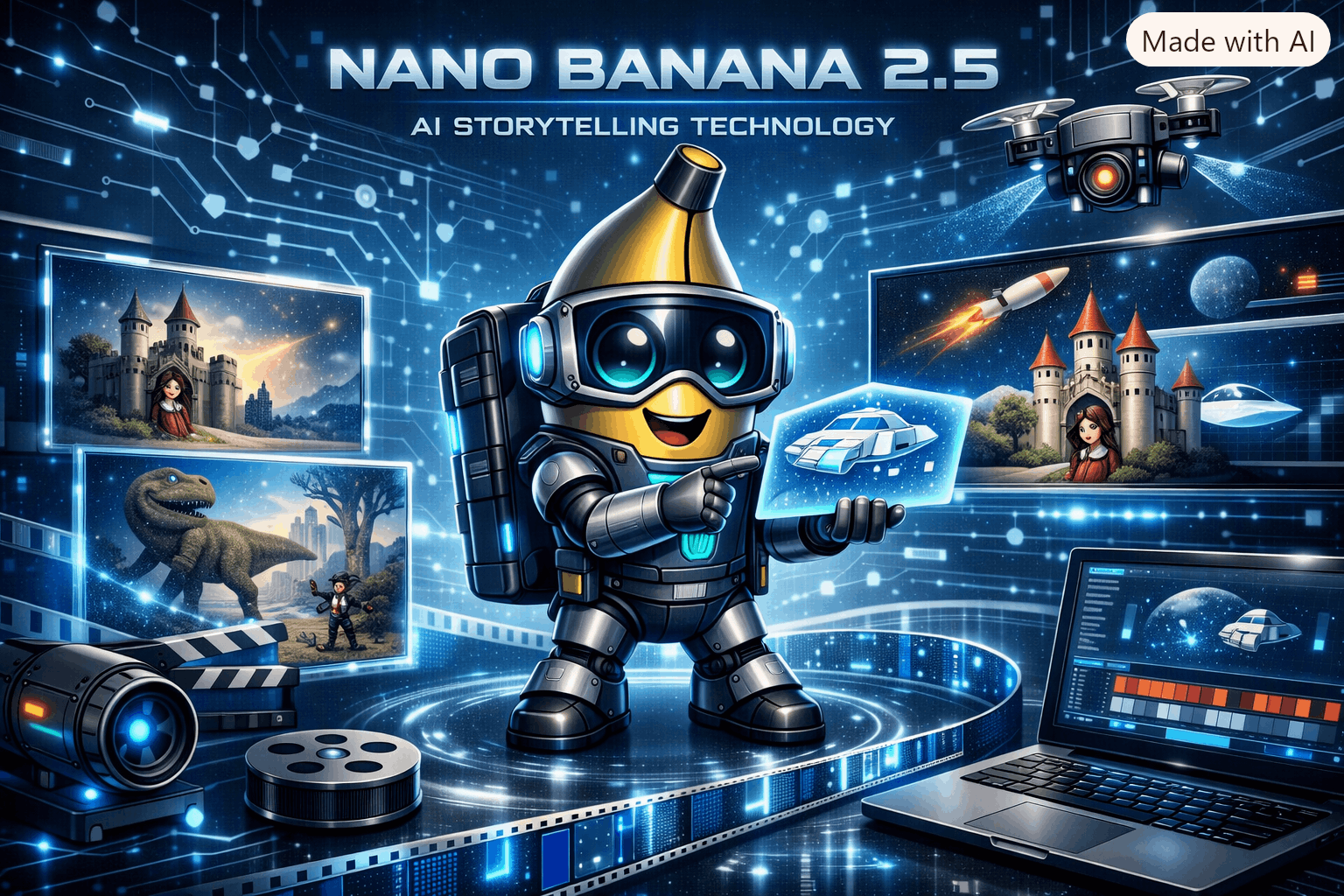
The first idea may look too plain. The setting may not feel right. The mood may also miss the purpose of the story. This is where modern image creation tools can open new creative paths. They let creators test ideas without spending hours preparing every version. Nano Banana 2.5 is one option for exploring these visual ideas and turning simple concepts into detailed scenes.
Beginning with a Scene, Not Just a Picture
When an image has a purpose, visual storytelling is more effective. It ought to enhance the narrative. It might present a location, highlight a significant event, or provide additional information on a character. A simple scene can be the starting point for a creator. Picture a woman standing in a queue at a historic train station. That straightforward concept can go in a lot of different ways.
Experimenting with Different Takes on the Same Idea
Sometimes the best graphic direction comes after a few efforts. One take may have the correct set but improper composition. Maybe another has greater lighting but lacks a vital detail. You can learn the differences by trying the alternatives. The author may alter the position of a character. They could take the action outside. Tools like the Nano Banana 2.5 can provide creators with greater room in this process.
Creating a visual link between scenes
A bunch of pretty pictures don’t necessarily add up to a visual tale. The scenes have to feel like they connect. One simple method to build that connection is through repeating details. A character can carry the same bag throughout the story. One building can be used in multiple settings. Similar lighting can also serve to differentiate instances that feel like they belong to one production.
Details That Can Strengthen a Visual Story
- Character details:
- Location details:
- Lighting choices:
- Camera perspective:
- Small story clues:
Translating Rough Ideas Into Visual Directions
A creator doesn’t always need a full story to begin with. Sometimes one thought is enough. A sentence such as “a child finds an old photograph” can be the beginning point. Then think about where the snapshot was taken. Who had it? Why? What does the youngster do with it? The responses can affect the images. This approach makes the image production part of the thought process.
Using Contrast to Make Scenes More Interesting
Contrast adds dimension to a visual story. A bustling scene can be followed by a peaceful one. A bright place can lead into a dark interior. The emptier a street, the lonelier a busy room. These distinctions serve to regulate the tempo. Contrast can also be inside one image. But a close-up of a small character next to a massive skyscraper creates a different image.
Letting Details Tell Part of the Story
Unopened letters on a table are a provocation. A broken watch can imply history. An empty chair can make people question who was there before. These details are subject to interpretation. This approach is one way creators might employ it when they want viewers to look closer. The plot becomes something to discover, not something that is entirely revealed at first glance.
Conclusion
They can go to locations, play around with visual directions and hone ideas before deciding on a final approach. The real value lies in the exploration. A simple notion may produce an unexpected scene.
A minor element can alter the meaning of an image. A new viewpoint on something can make the story easier to explain. That’s what makes visual storytelling so engaging. The final image is merely part of the process.